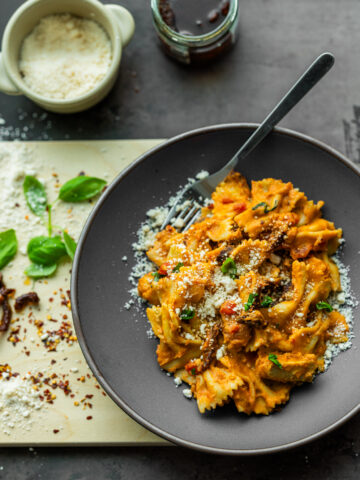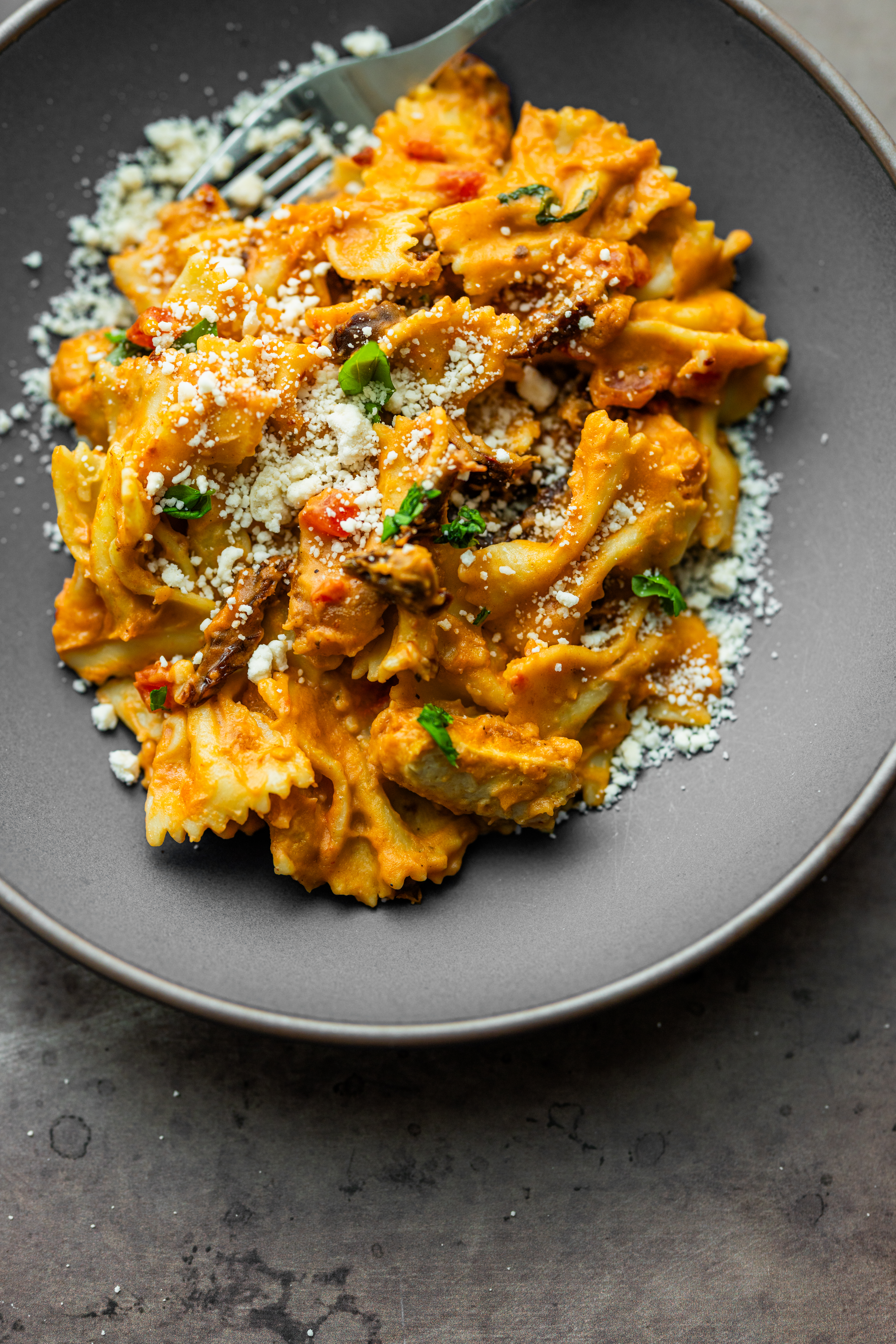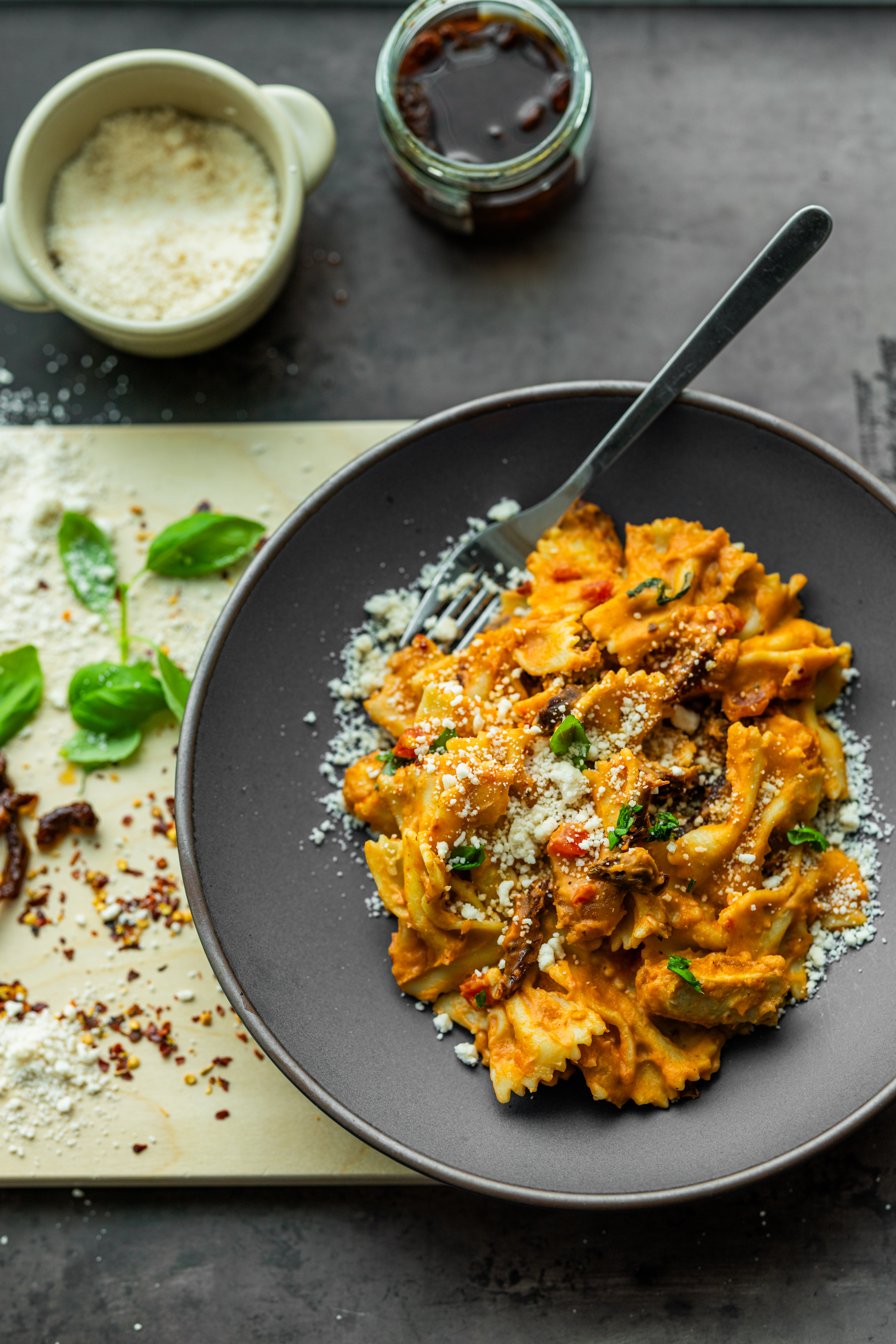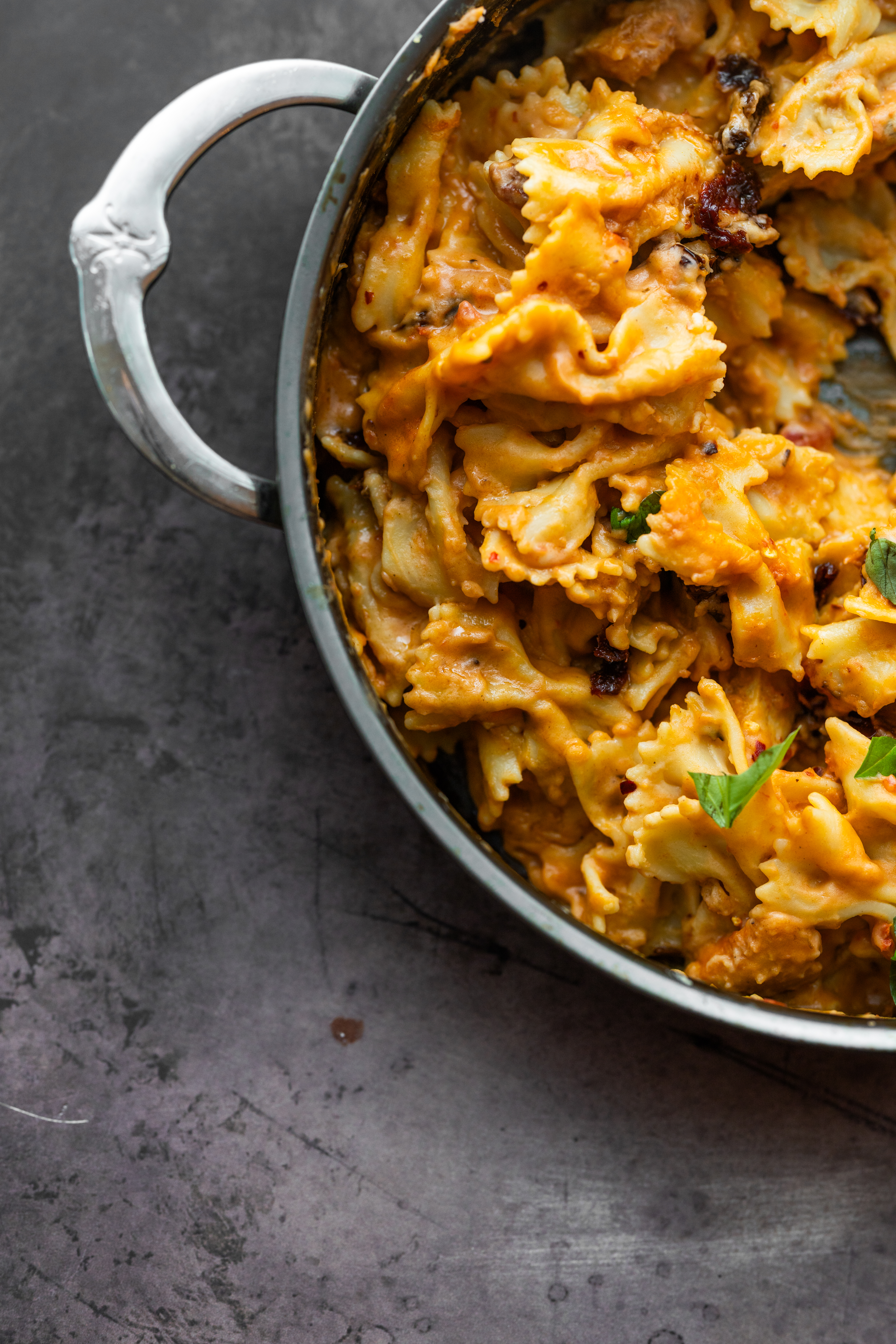
Today I am sharing 10 Things I Buy at Eataly That I Could Basically Live On. Plus one of my fave go-to recipes for a busy weeknight. Or any night, actually....
Eataly | Italy
The last time I went to Eataly, I skipped the little handbasket and got a full-size shopping cart. I know myself. Every time I’m there, I wander the aisles thinking, “Why don’t I just buy all my groceries here?”
Whole Foods, I still love you. That’s where I do most of my grocery shopping. But every few weeks, or about once a month when my pantry is stocked, I head to Eataly at Westfield Century City in Los Angeles and remember how much I love this place.
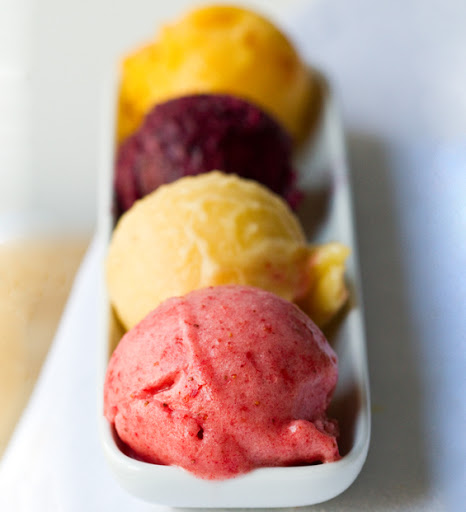
I like going in the middle of the day when it’s quieter. The light pouring through those huge windows, the smooth floors, the shelves and shelves of olive oil. The restaurants in the back of the store bustling with people. The little coffee counter and gelato/sorbetto counters downstairs. Pasta in shapes I’ve never cooked before. Beautiful jars of things I suddenly need. For a tiny moment, it feels like being in Italy.
And while I absolutely go for the pantry staples, I also go for lunch. And bread. Especially the bread.
Go-to vegan meal idea
Easiest "recipe" ever...
- 1 jar of lighter pasta sauce
- can of butter beans
- cooked pasta tossed in olive oil + salt + nooch + pepper
- fresh basil
- additional EVOO
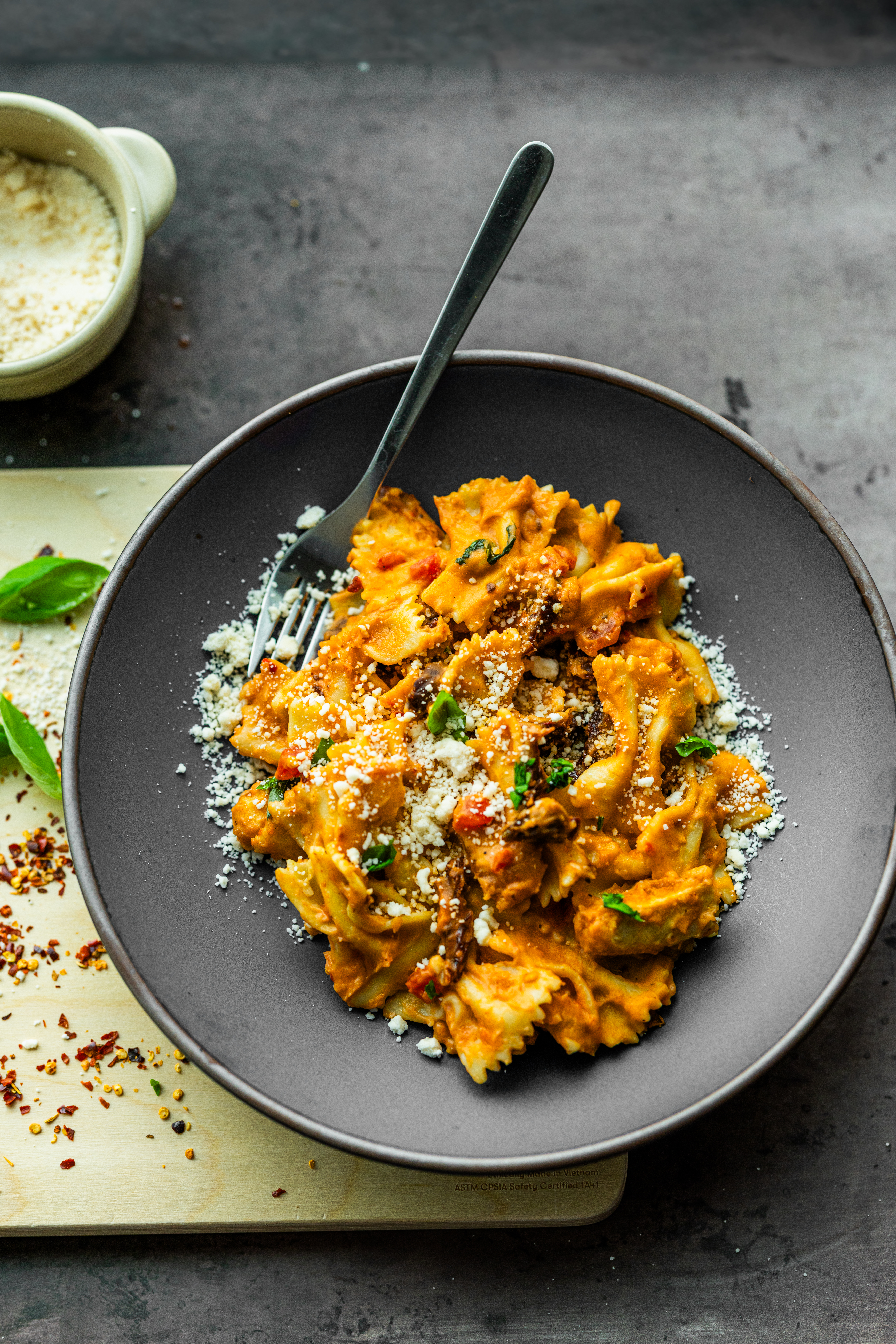
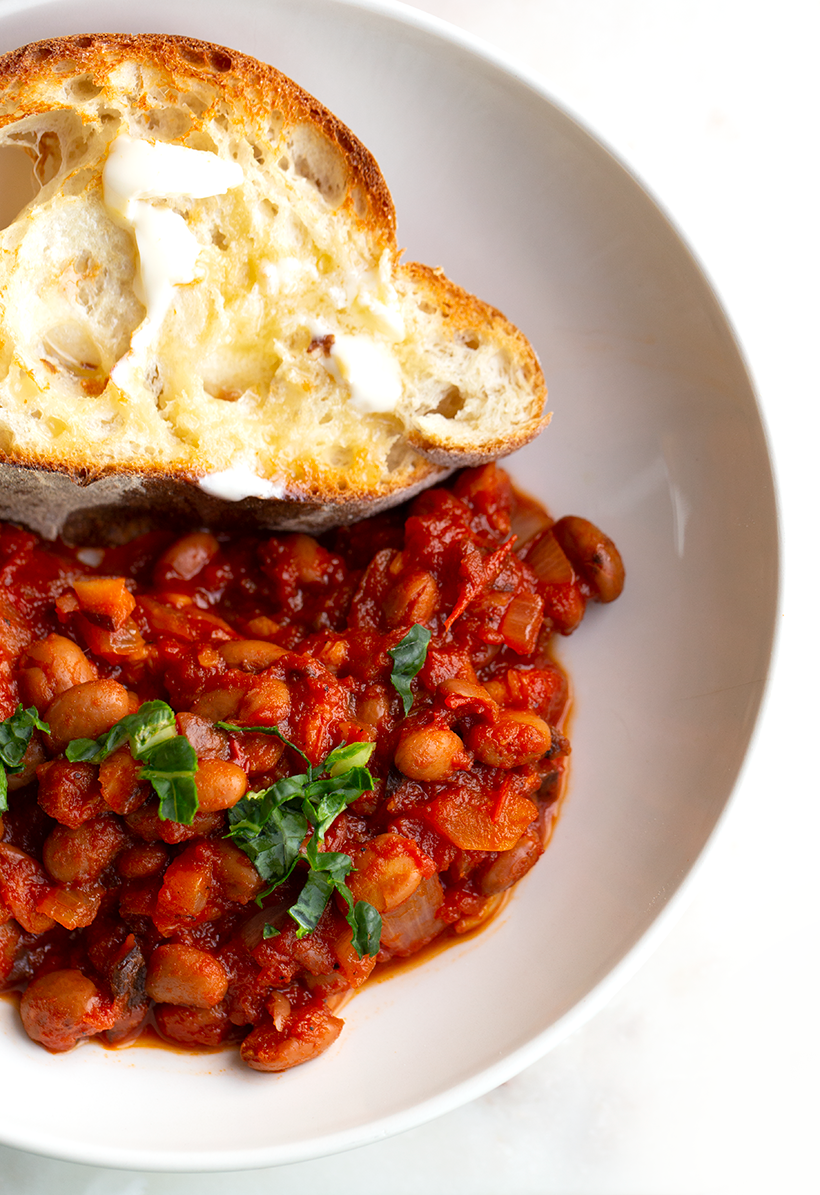
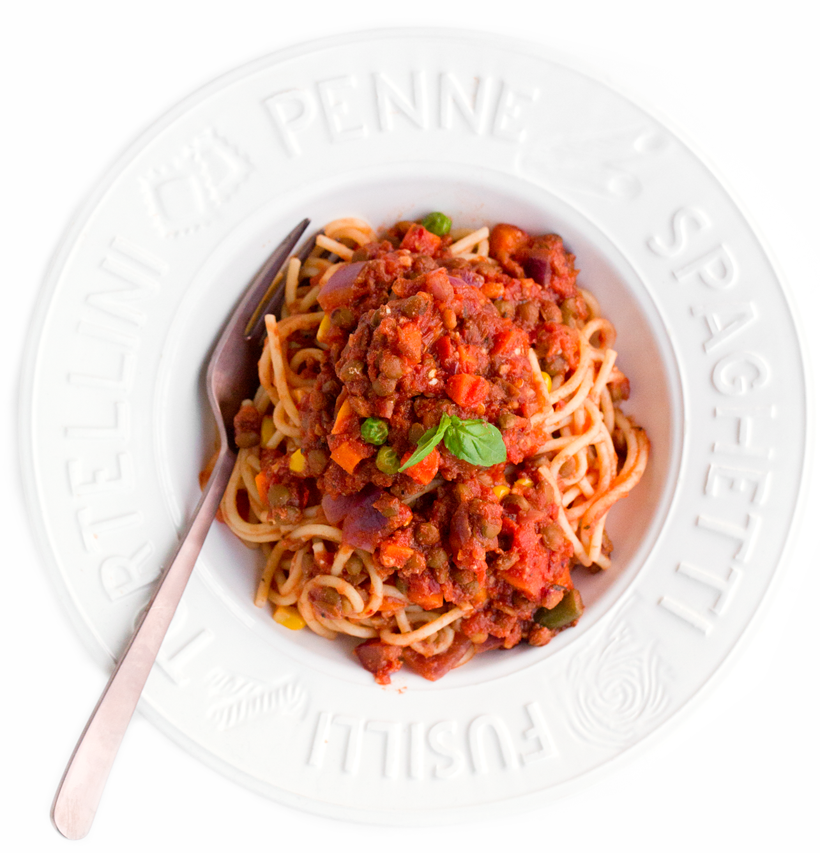
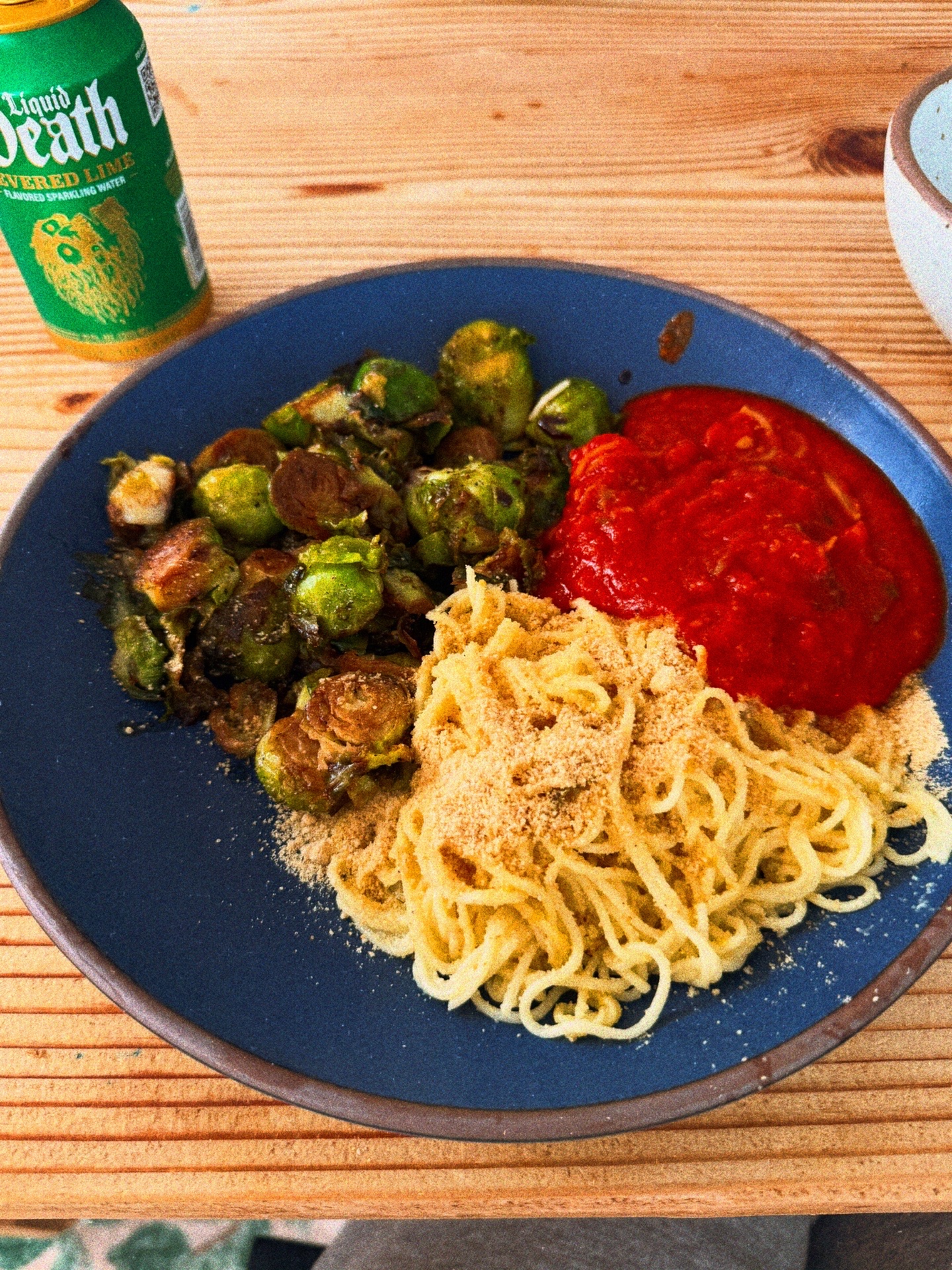
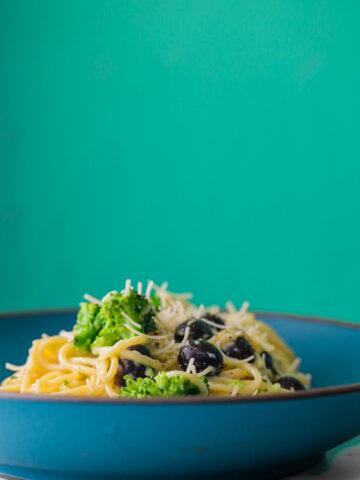
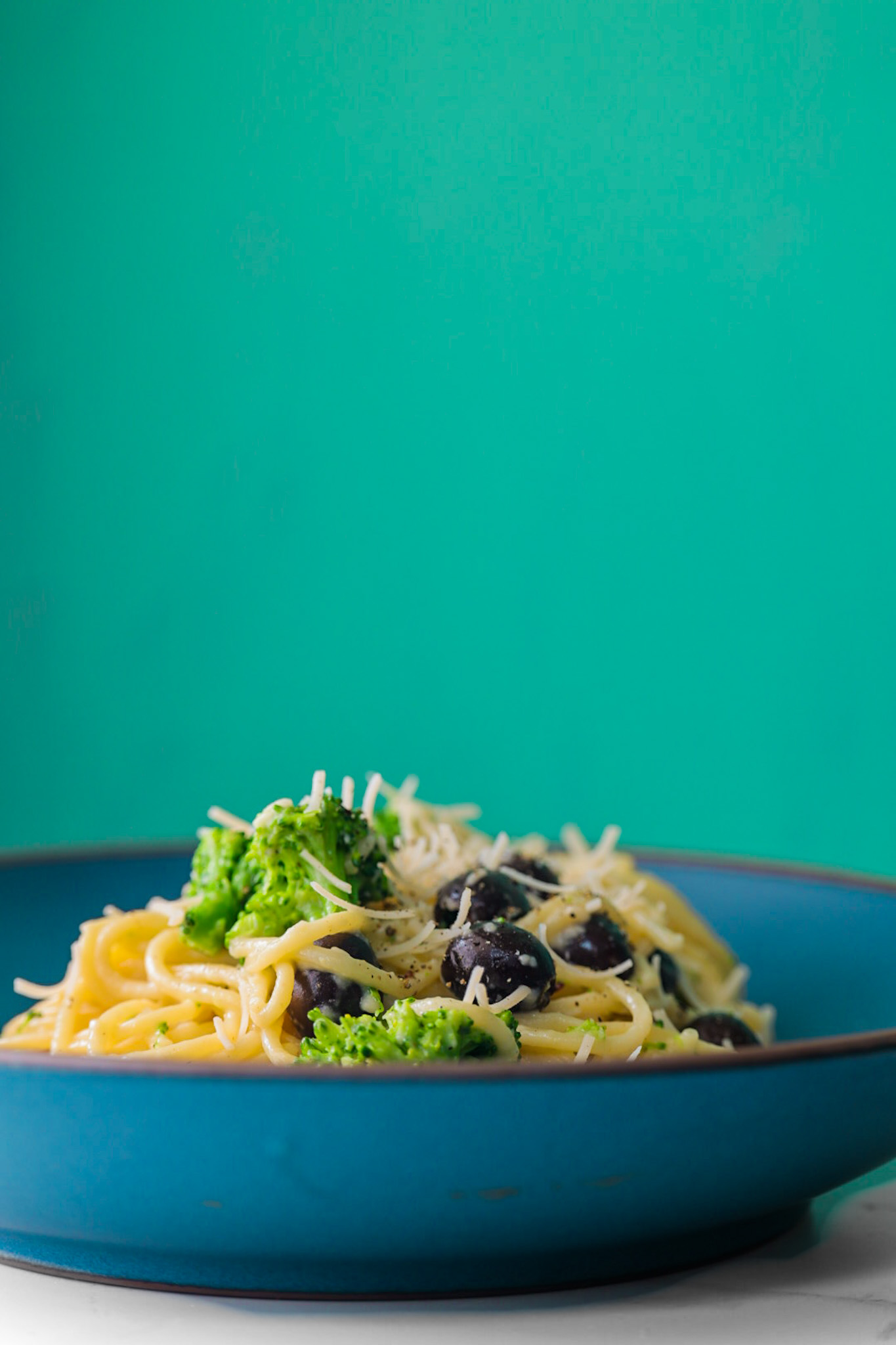
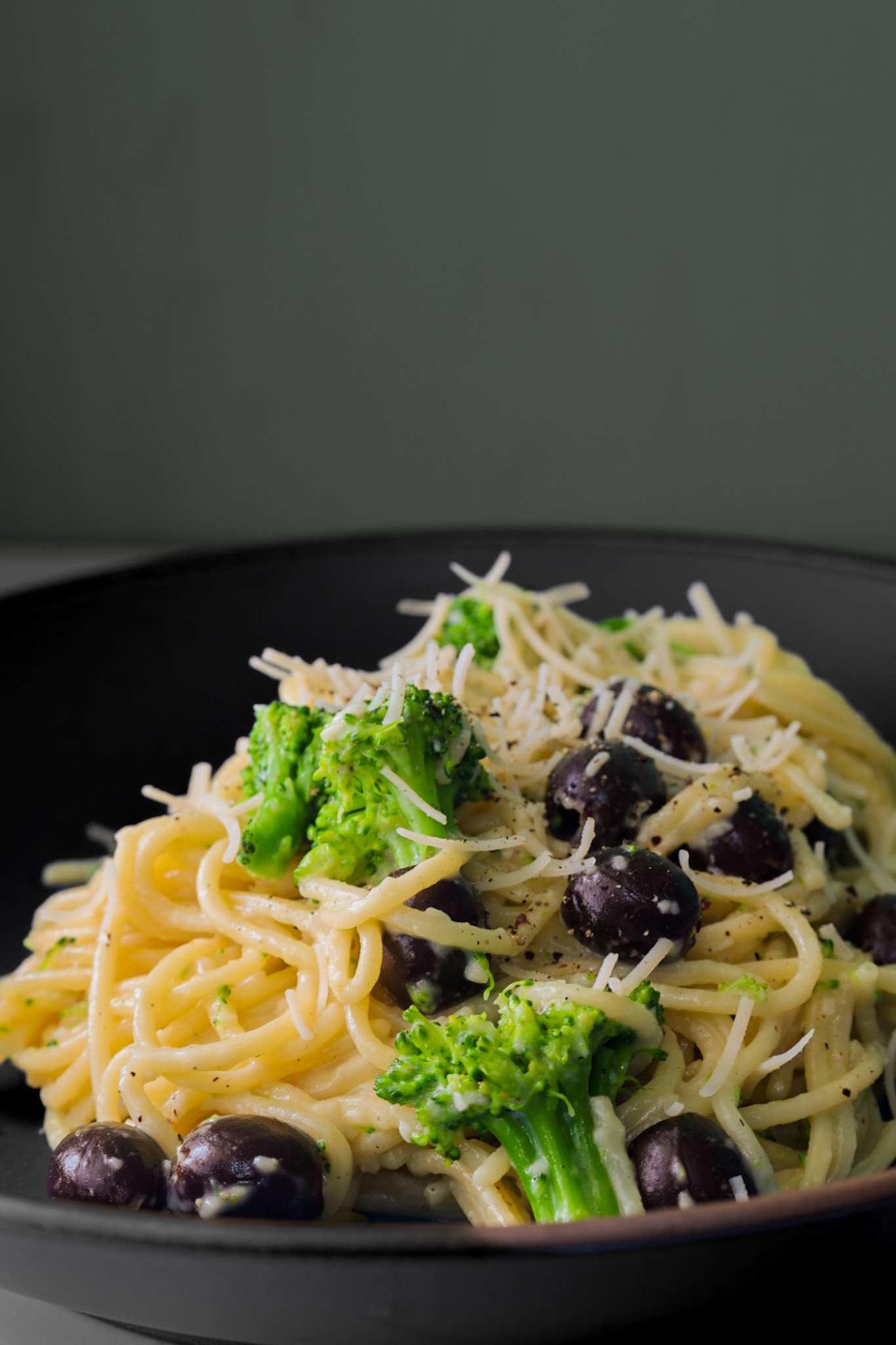
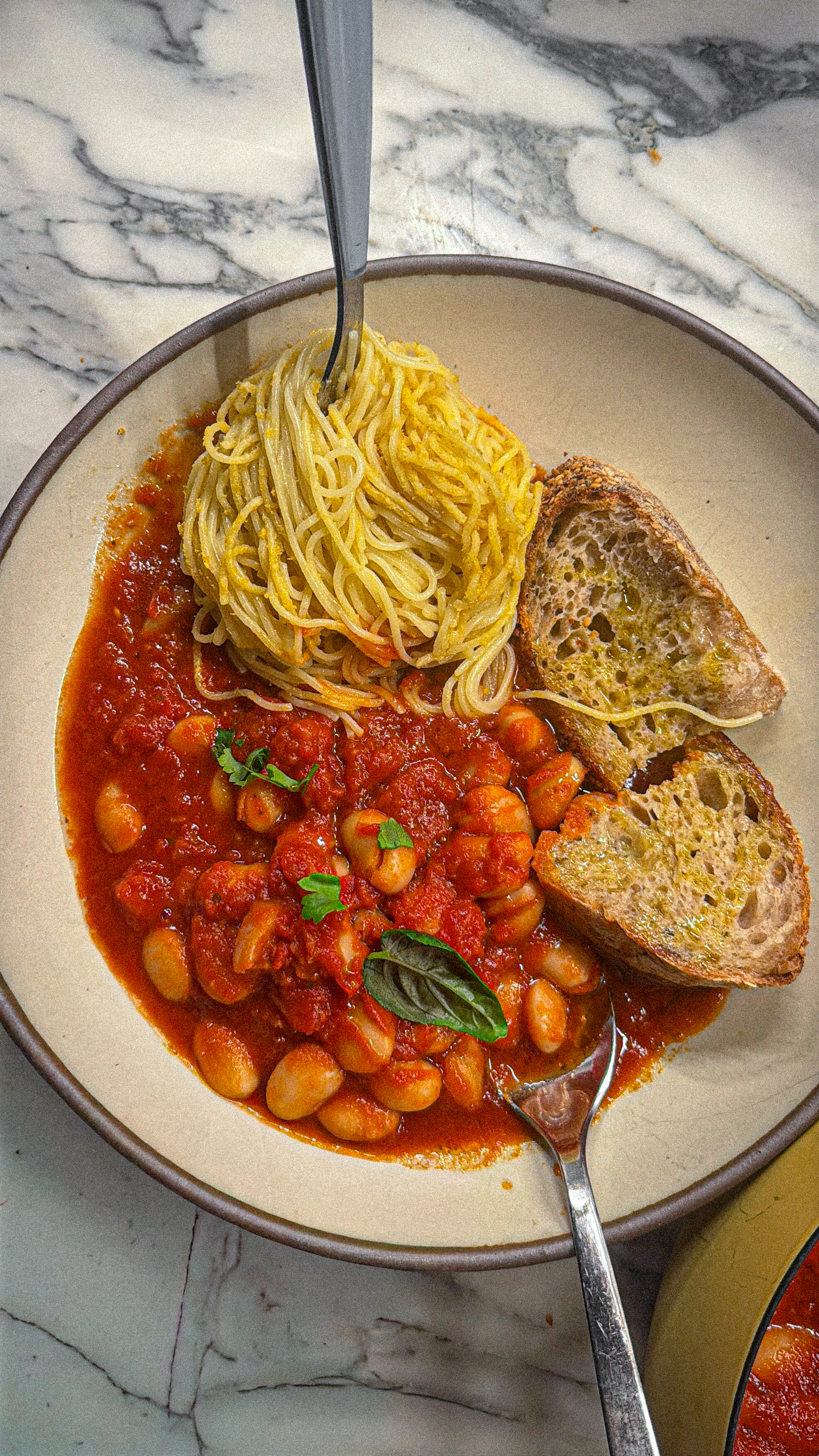
So this one is so good. You buy one of the 'lighter' pasta sauces. And by lighter I just mean a bit lighter in added oil. You will see why in a second. Then you pour it into a sauce pot and add an entire can of rinsed butter beans. Then you basically serve the sauce like soup! Alongside some pasta. I then season my pasta with flaked sea salt, fresh black pepper, olive oil and a lot of nutritional yeast. SO GOOD. Oh and some bread and fresh basil too.
The reason for the lighter sauce is so that it truly does taste like a soup. Sometimes a higher fat sauce can be way too rich to do this.
The butternut sauce I share down below is also perfect for this meal idea.
Beany Sauce Pasta Bowl
Ingredients
- 19 oz pasta sauce low fat
- 14 oz can of butter beans, drained and rinsed
- 4 c cooked pasta angel hair cooks in 3-4 mins!
- fresh basil
- 2 tablespoon olive oil
- 4 tablespoon nutritional yeast
- 2 teaspoon salt, maldon
Instructions
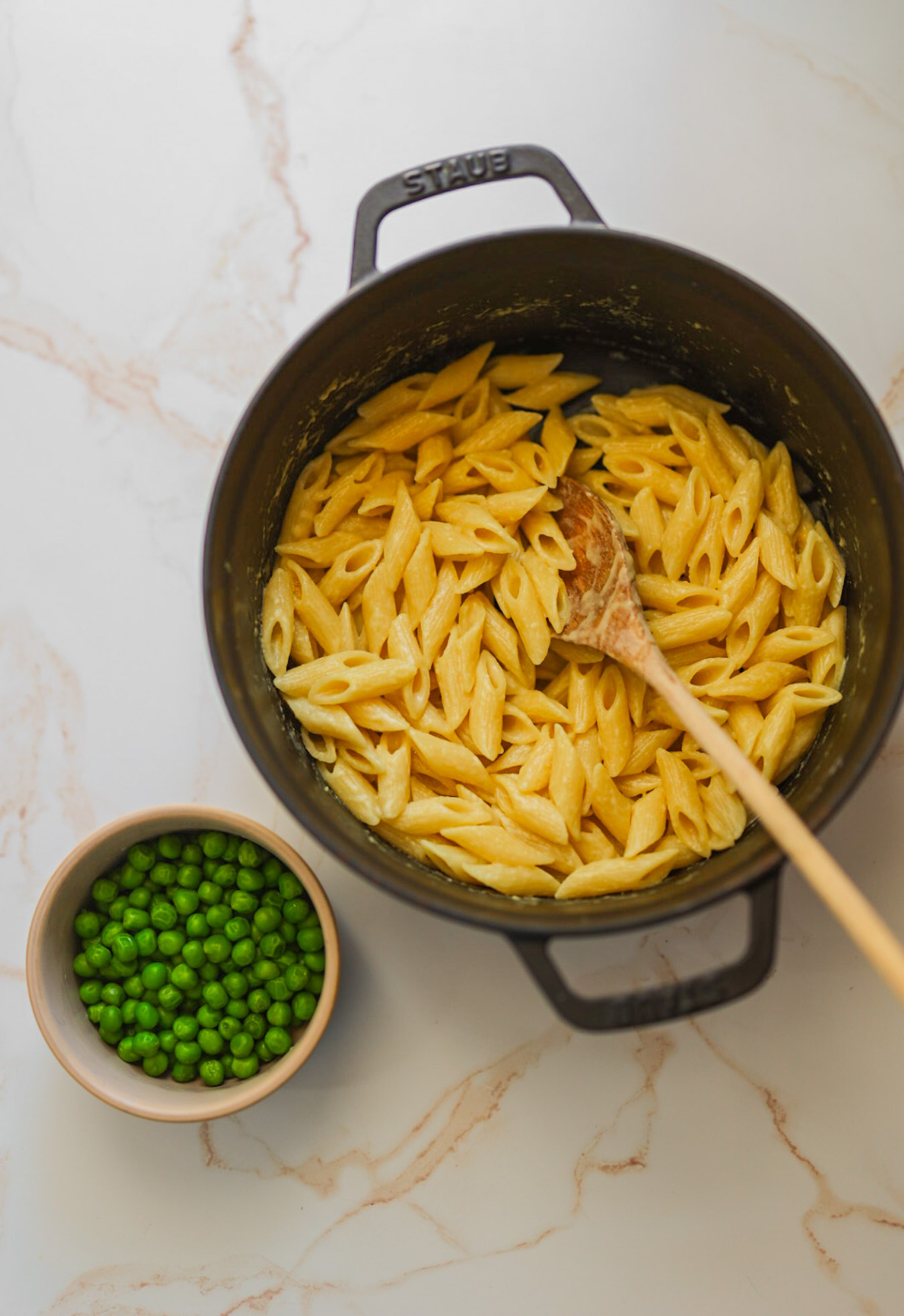
- Bring water to a boil and cool angel hair style pasta - three to four minutes and it's done! Drain and transfer pasta to a large mixing bowl. Add about 2 tablespoon olive oil, a few pinches of salt and nutritional yeast. Toss well. Set aside.
- Add pasta to sauce pot. Add drained and rinsed beans. Simmer for 5 minutes on medium. Covered.
- Serve with some pasta and a side of the sauce and beans. Top with fresh basil. Add black pepper to taste.
Nutrition
Here are the 10 things that keep filling my cart.
What to Buy at Eataly: My 10 Favorite Finds
1. BREAD. Focaccia and a good loaf of bread
The bread section is always my first stop. On my last visit, I grabbed two little squares of focaccia: one with the sweet onion and one with tomato sauce.
This might be the best focaccia I’ve ever had. So fluffy. So pillowy. It has that soft, pull-apart quality of a cinnamon roll, only savory and olive-oily. Savory cake? Whatever we’re calling it, I’m obsessed.
I usually add a loaf of bread, too - something with a dark crust, seeds, or a nutty flavor. Now I have bread for toast, soup, sandwiches, and tearing off a piece while deciding what to make for dinner.
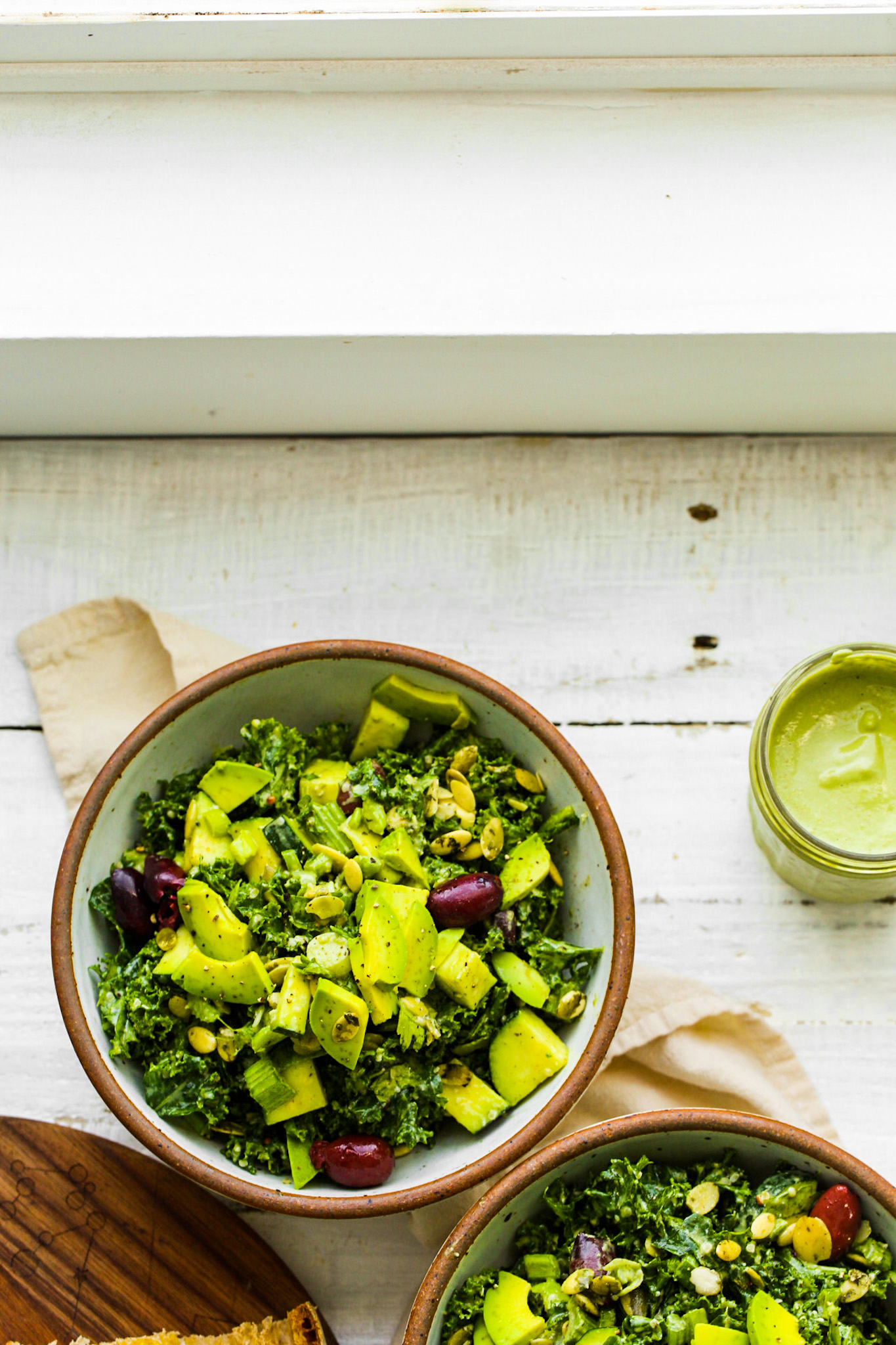
My go-to vegan lunch salad..
2. PREPARED SALAD. The prepared bean salad
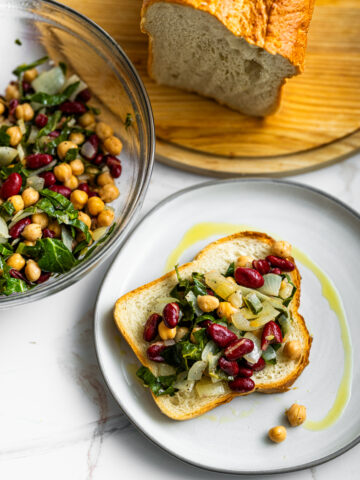
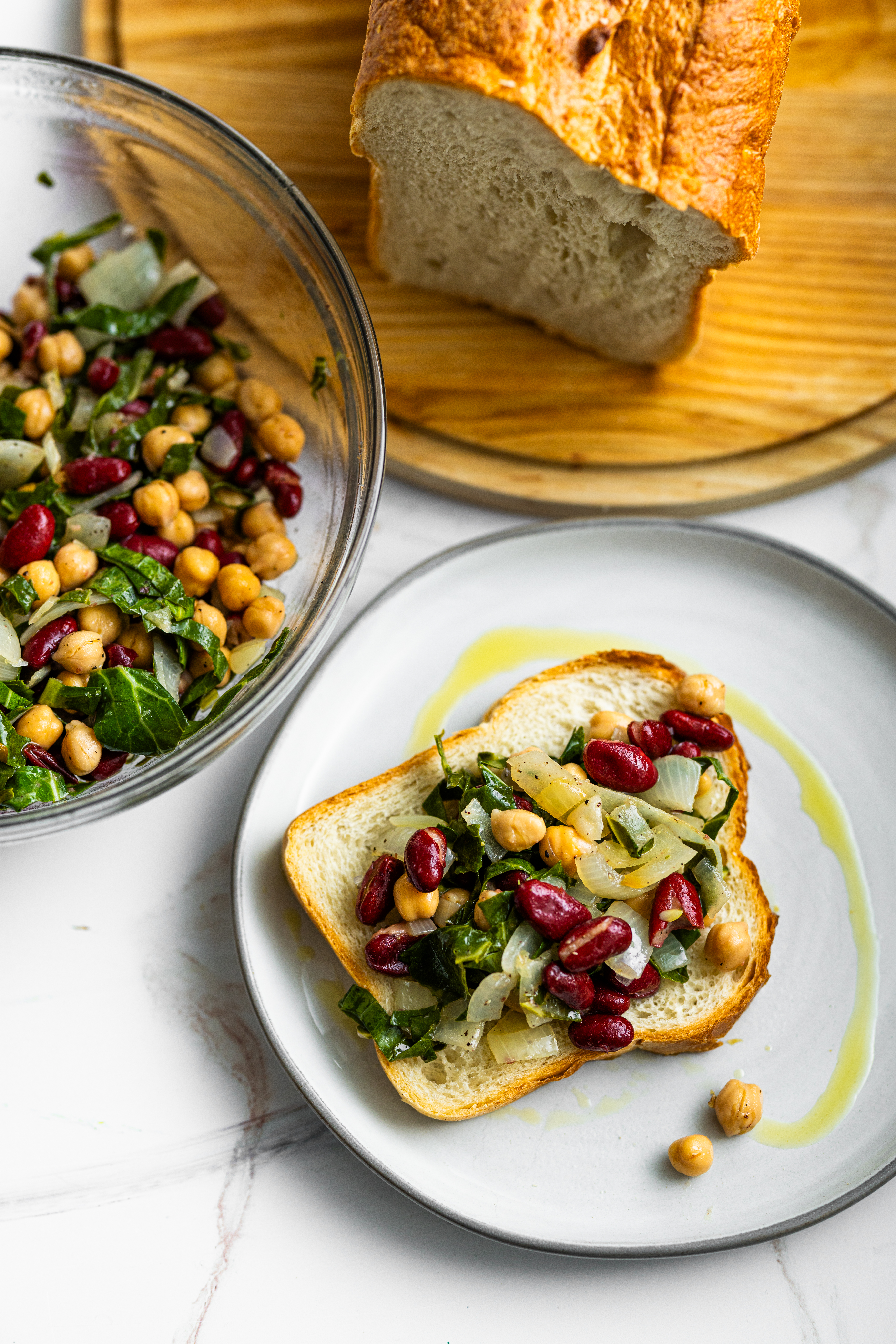
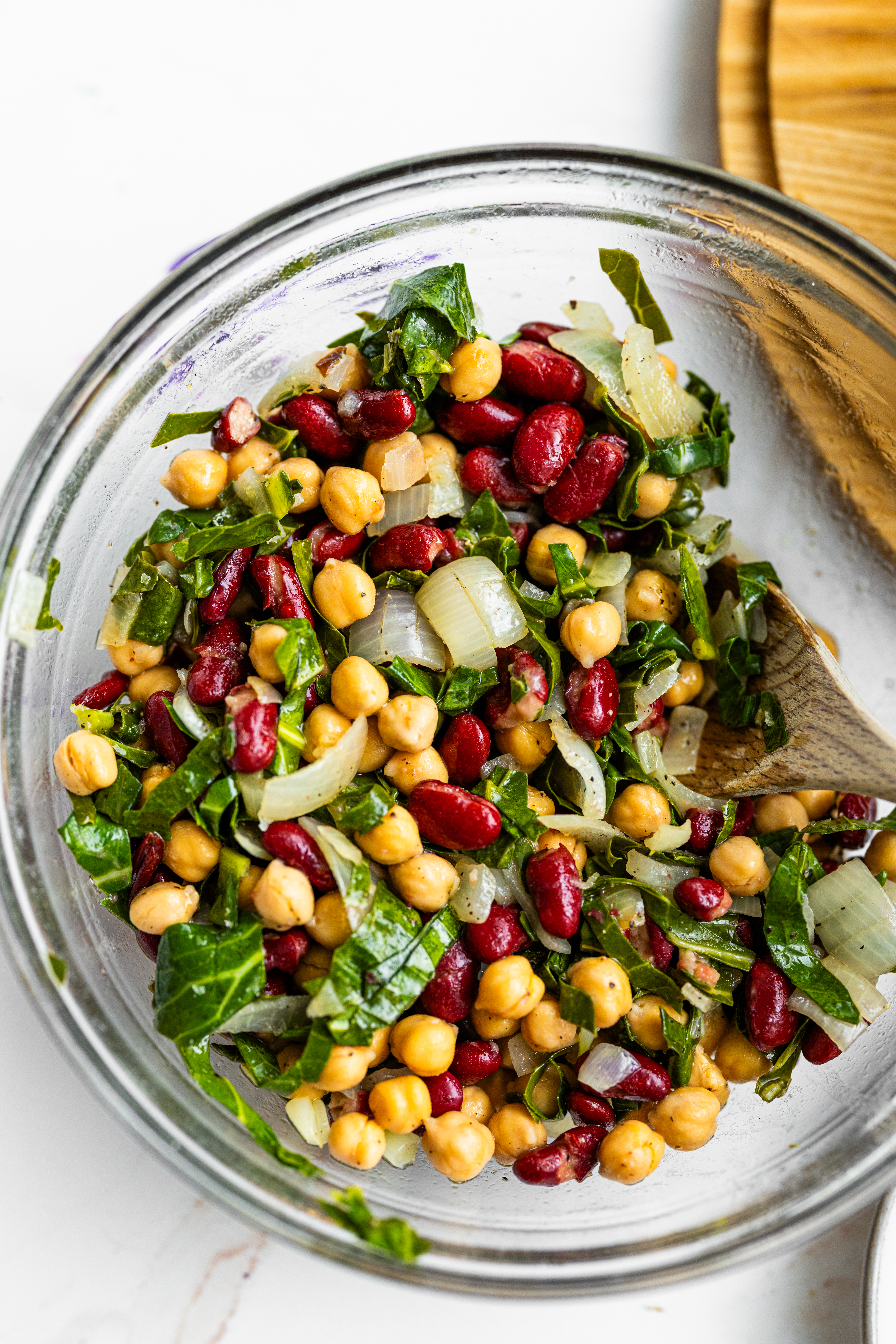
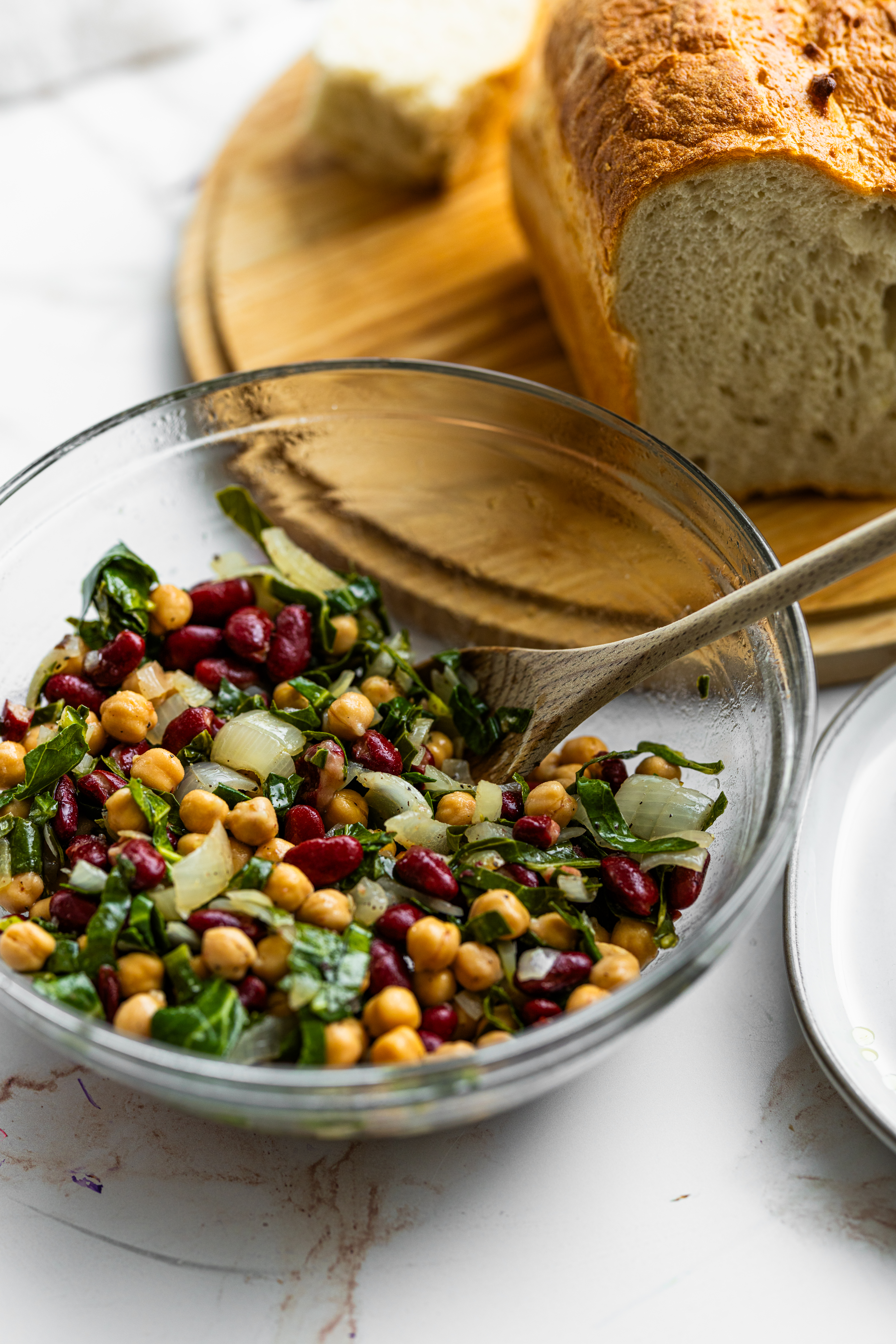
I always check the refrigerated prepared-food section to see whether my favorite bean salad is there. Beans, crunchy shredded vegetables, and this gorgeous olive oil and vinegar dressing. Simple, but so good. I think it's radicchio and fennel, but honestly I just know it's delicious.
I usually buy two. One little container is such an easy lunch, especially with some of that bread.
I might also grab hummus or prepared vegetables. This section has given me some seriously delicious lunches. I scout it early, then pick up my refrigerated items at the end of the trip.
Pasta, obviously..
3. PASTA. Pasta in every shape
Yes, the pasta at Eataly is better than a lot of the more standard brands in American stores. It's just true. IMO. Giada once said this about choosing pasta. Her checklist included: classic dried wheat pasta includes:
"A rough surface that helps sauce cling. Semolina and water as the ingredients. Bronze-cut or slow-dried wording on the package."
My faves are usually: Mini bow ties. Classic spaghetti. Curly shapes. A couple of farro pastas. My cart gets a little enthusiastic here.
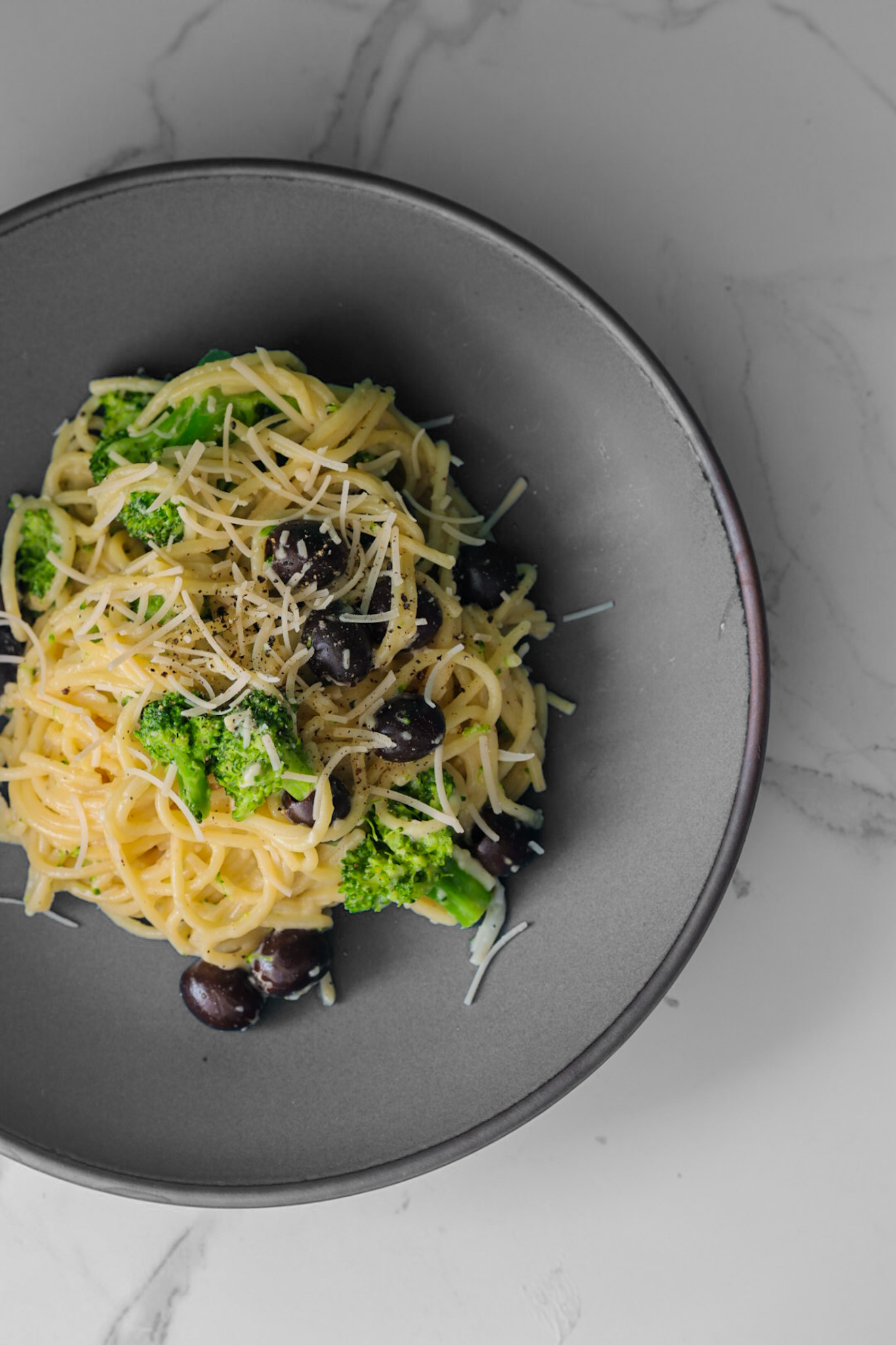
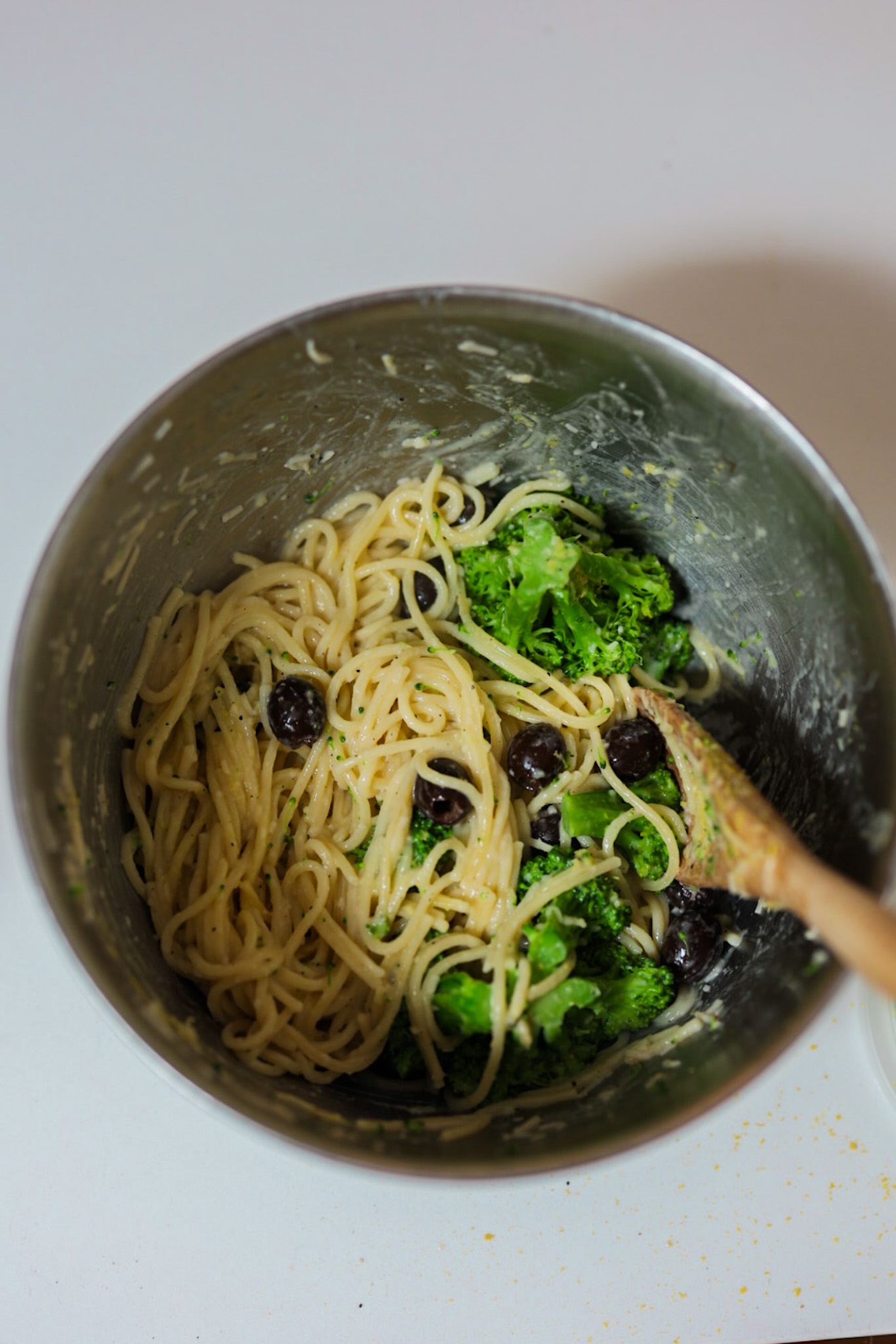
One of my favorites is an angel hair pasta that comes in a bag and cooks in about three to four minutes. If you have kids, you understand why that matters. Sometimes a few minutes really is the difference between making dinner and feeling completely defeated by dinner. At Eataly the "angel hair" comes in a bag and has little rounds of dried pasta, labeled Felicetti Capelli D’Angelo.
Changing the pasta shape is also such an easy way to make a familiar meal feel different. Same favorite sauce, new little twirls.
Browse Eataly’s pasta selection.
Sauce, also obviously.
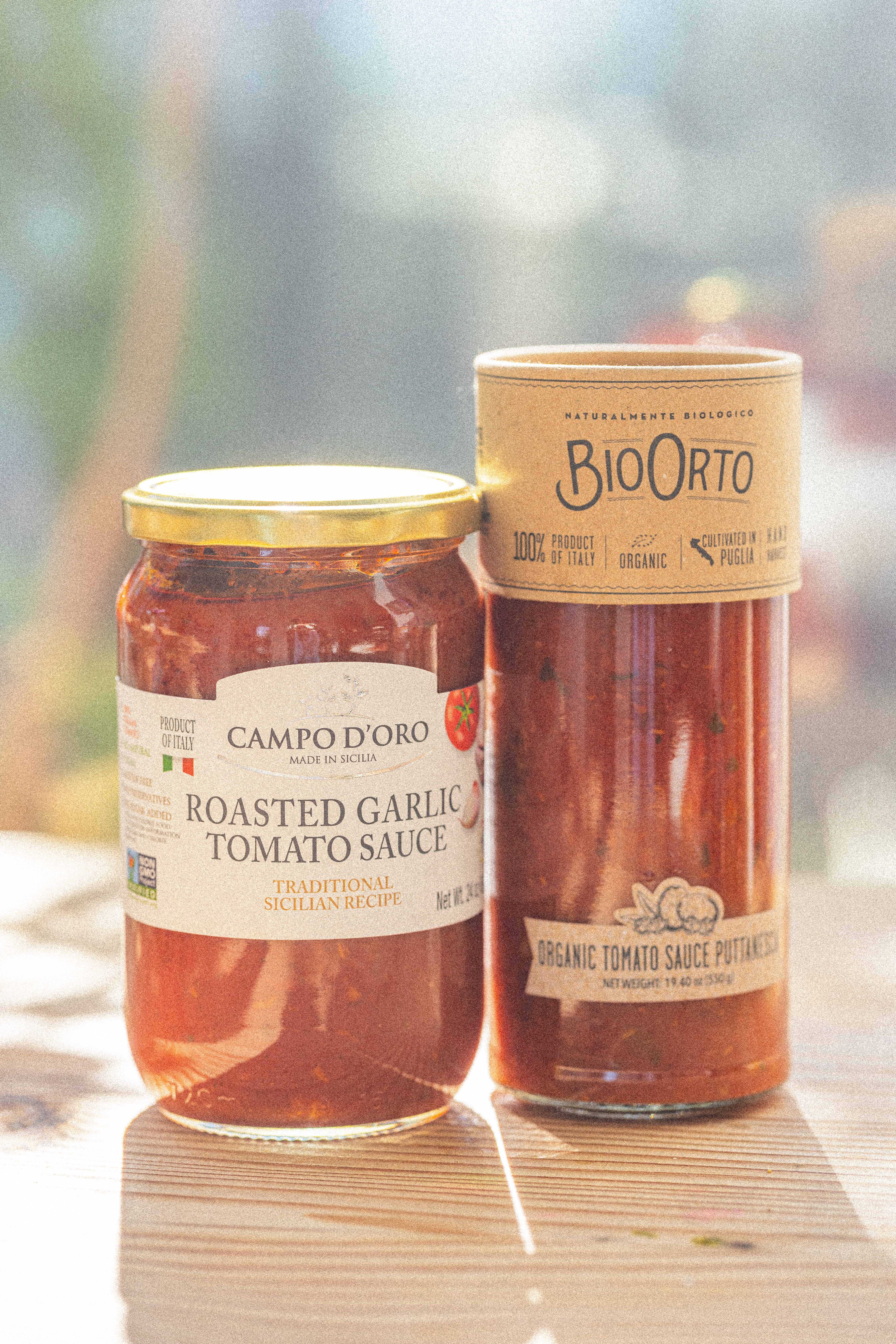
4. SAUCE. Really good jarred pasta sauce
Yes, some of these sauces are pricey. I usually pick up four or five jars, mixing favorites with whatever catches my eye or happens to be on sale.
Bio Orto is one of my favorite brands. Of the sauces I’ve tried at Eataly, I honestly haven’t had a bad one yet.
Of course, you can buy tomatoes and make your own. I love that option, too. But having a few delicious jars ready to go makes cooking at home so much easier. There is also a VEGAN jarred pesto that is amazing. It is by the ROI brand.
Sauce that is actually perfect soup..
5. SOUP. Bio Orto Butternut Squash Cream
This deserves its own spot, because I don’t actually use it like pasta sauce.
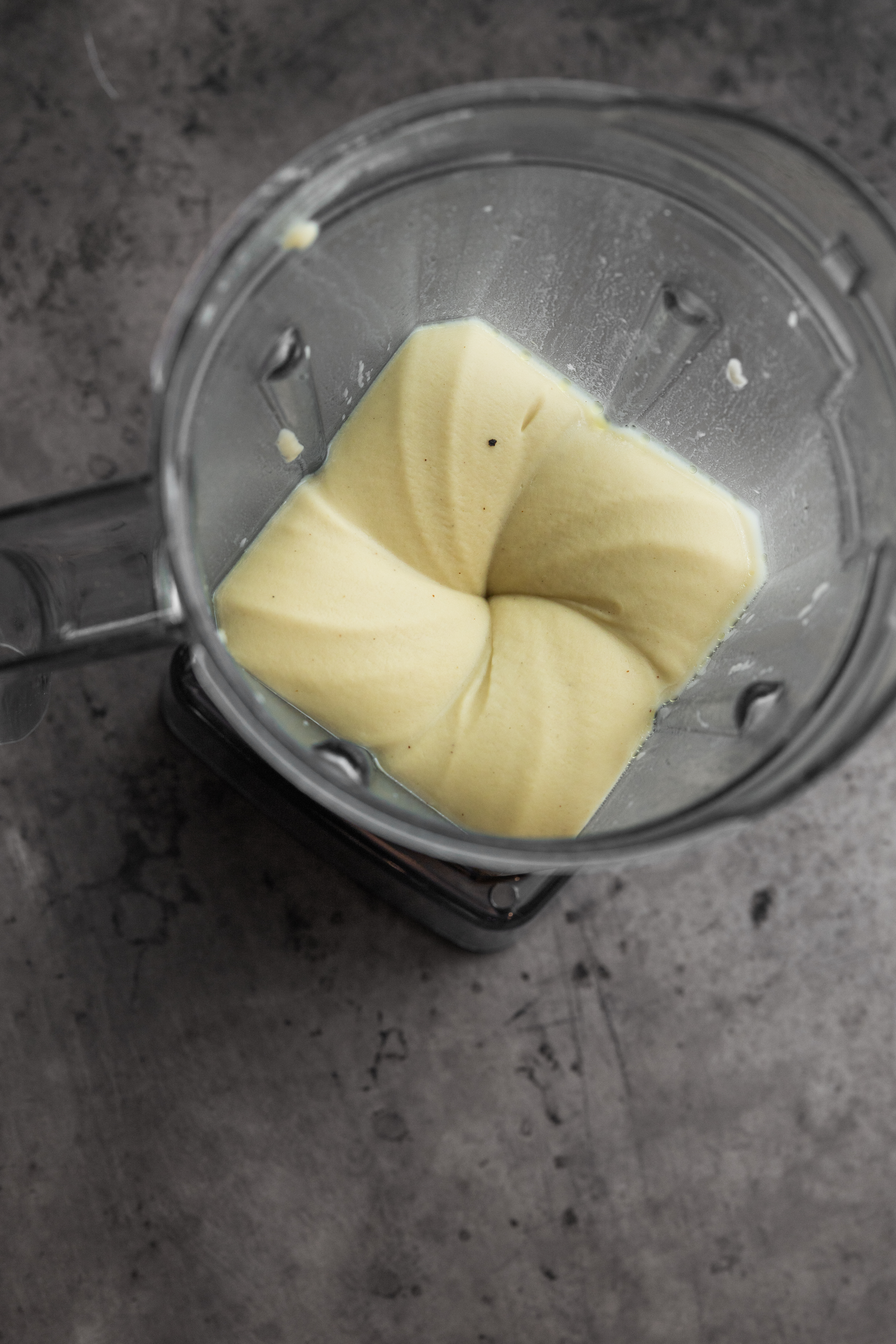
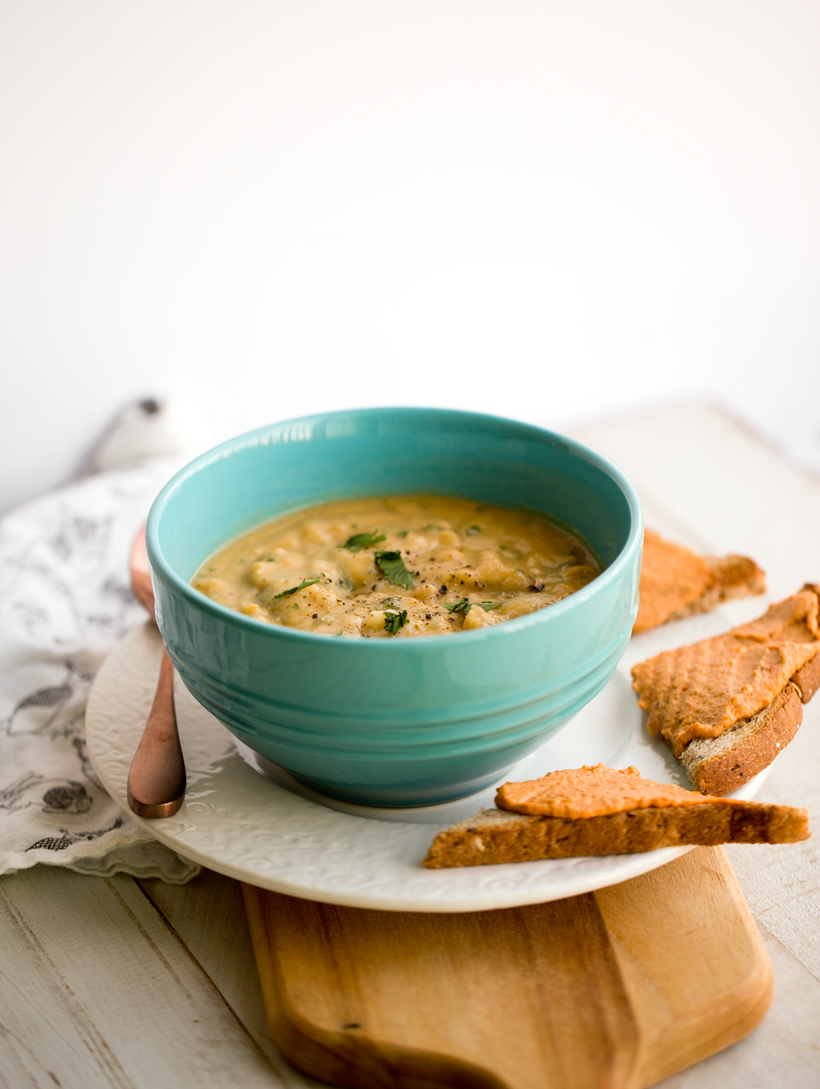
The Bio Orto Organic Butternut Squash Cream is my almost-instant soup. I pour it into a bowl, warm it up, and eat it with bread. And yes, it's dairy-free, vegan.
It’s creamy and savory, with a lovely, gentle squash flavor. To me, it’s neither too sweet nor too heavily seasoned. It feels like a luxurious little lunch with almost no effort.
A drizzle of olive oil is wonderful here. A little balsamic vinegar, too. Pepper. Fresh herbs. Bread. Oh my.
Drizzle on the oil.
6. OLIVE OIL. Olive oil worth getting excited about
The olive oil aisle alone makes me happy. So many bottles, so many possibilities. If I need to stock up, this is where I want to be.
A longtime favorite is Frantoio Franci Grand Cru Villa Magra Extra Virgin Olive Oil. It’s one of the best olive oils I’ve had. Give me good bread and that bottle and I am very happy.
I also recently discovered PIRO. The brand has Cucino, its cooking-focused olive oil, and Olio Piro, which it highlights for its high polyphenol content.
You know I love a generous drizzle of olive oil. That description definitely got my attention.
Brighten things up.
7. VINEGAR. Balsamic vinegar
Sweet, tangy, bright, a little syrupy—I love what a good balsamic vinegar does to food.
Salads, obviously. But also bread with olive oil, a bowl of beans, and that butternut squash soup. A small drizzle adds so much flavor.
I don’t have one single bottle to prescribe here. Browsing is part of the fun. Find one you love, and you’ll start finding excuses to put it on everything.
Spoonfuls of this stuff.
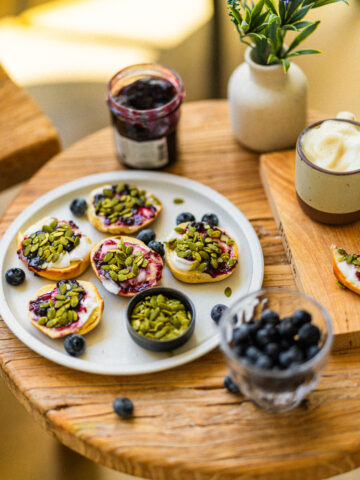
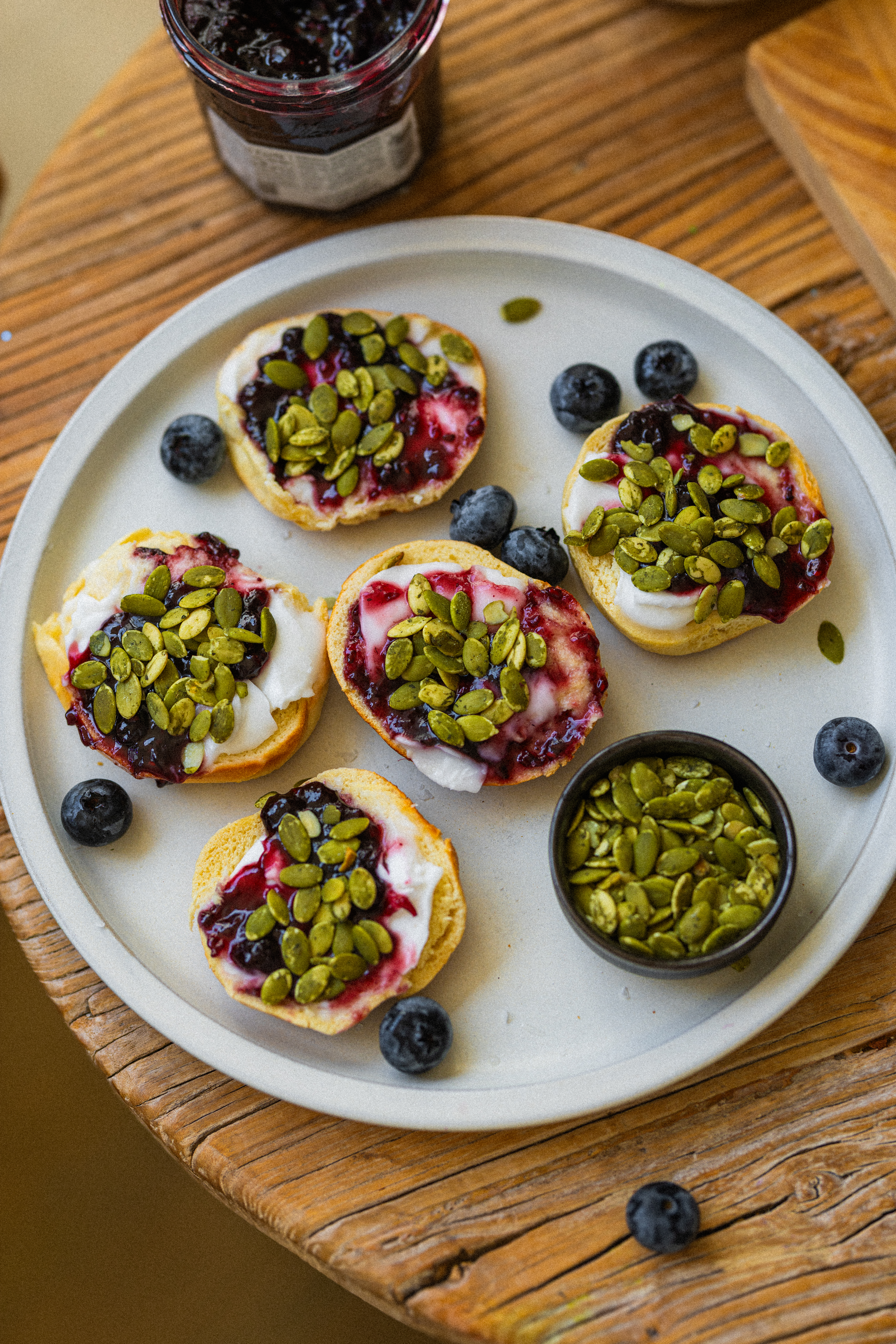
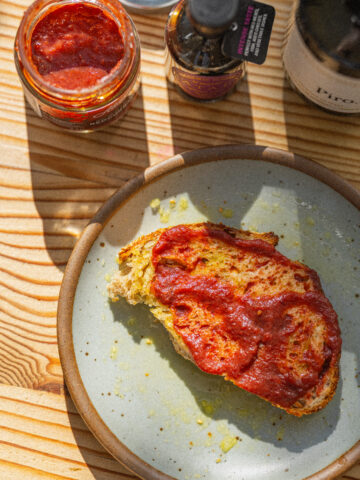
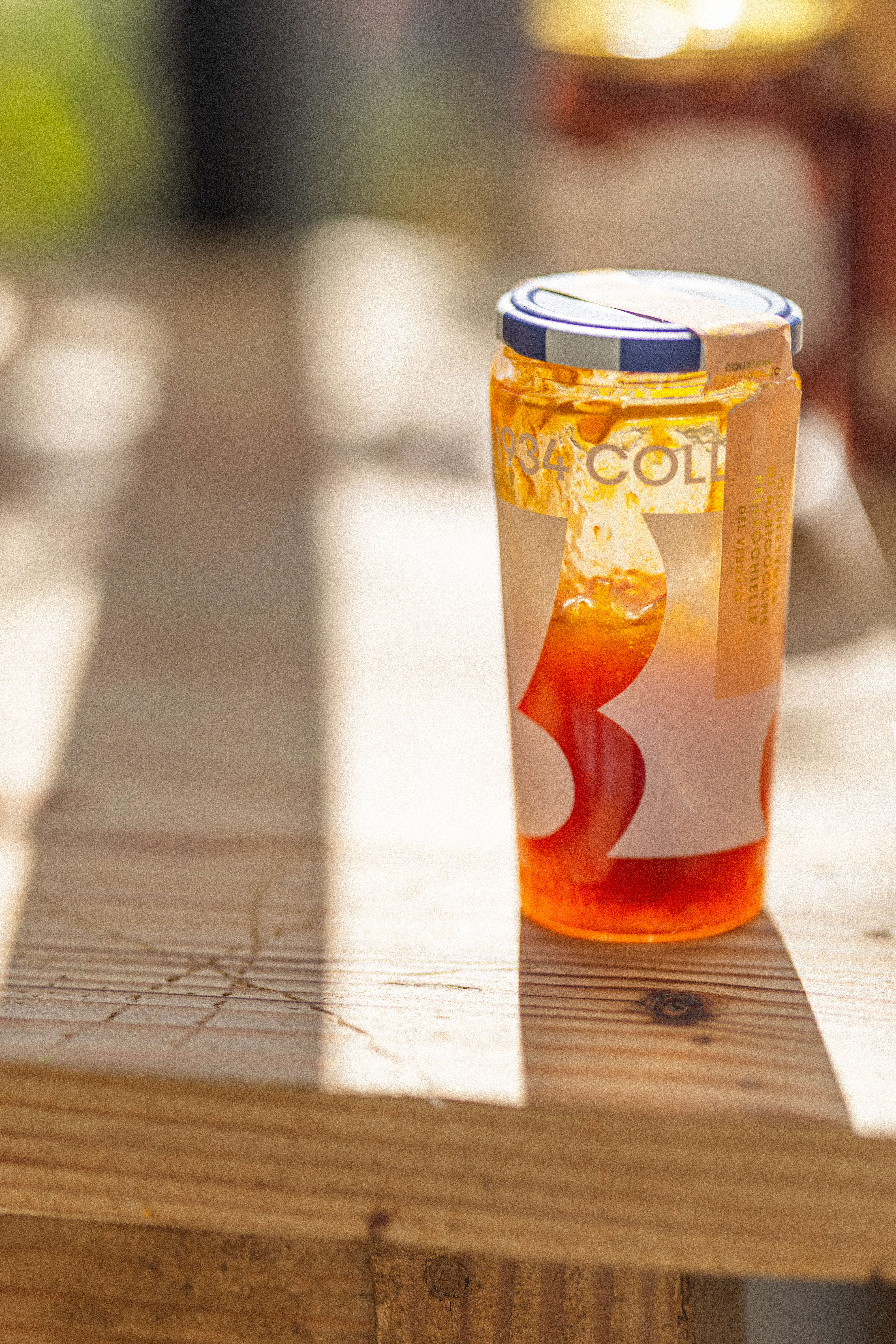
8. JAM. Apricot jam and other fruity finds
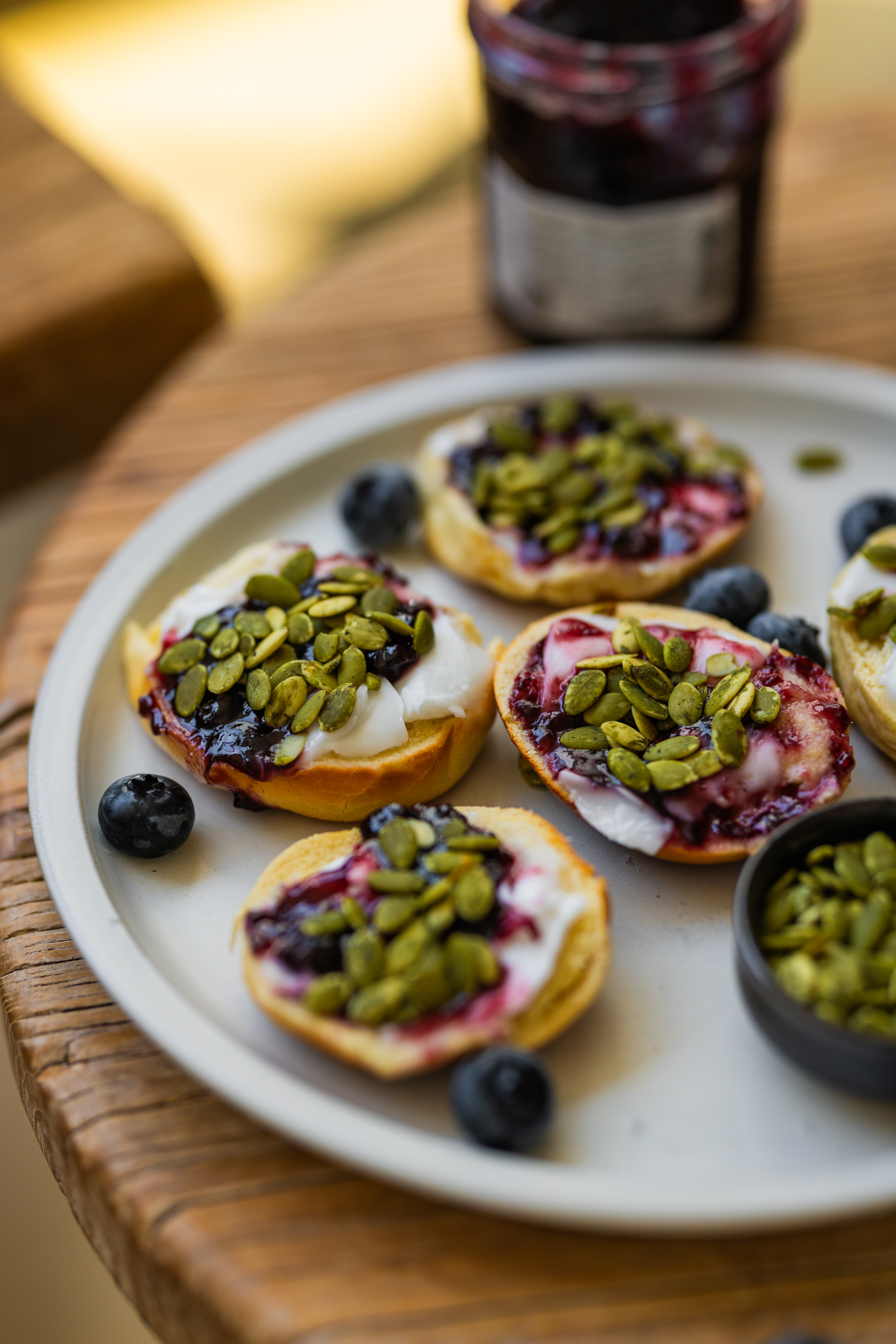
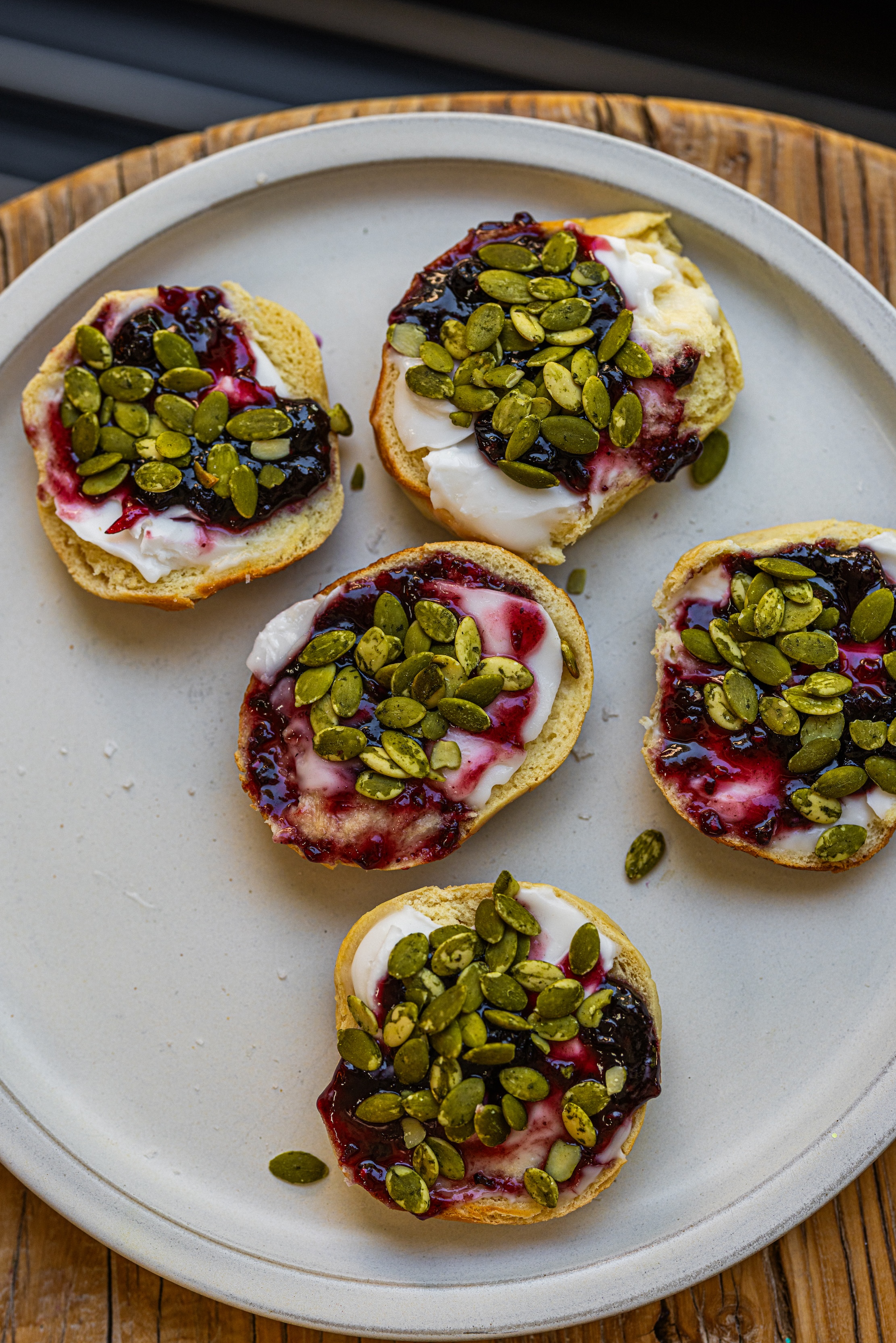
If I’m buying all this bread, I clearly need jam.
On my last trip, I found an apricot jam in a tall jar that was ridiculously good. Thick, sticky, intensely fruity—the texture was different from so many of the jams I usually buy.
I also love browsing the strawberry and cherry options. A good loaf of bread and a really delicious jam can make the most ordinary morning feel special.
currants, yes please.
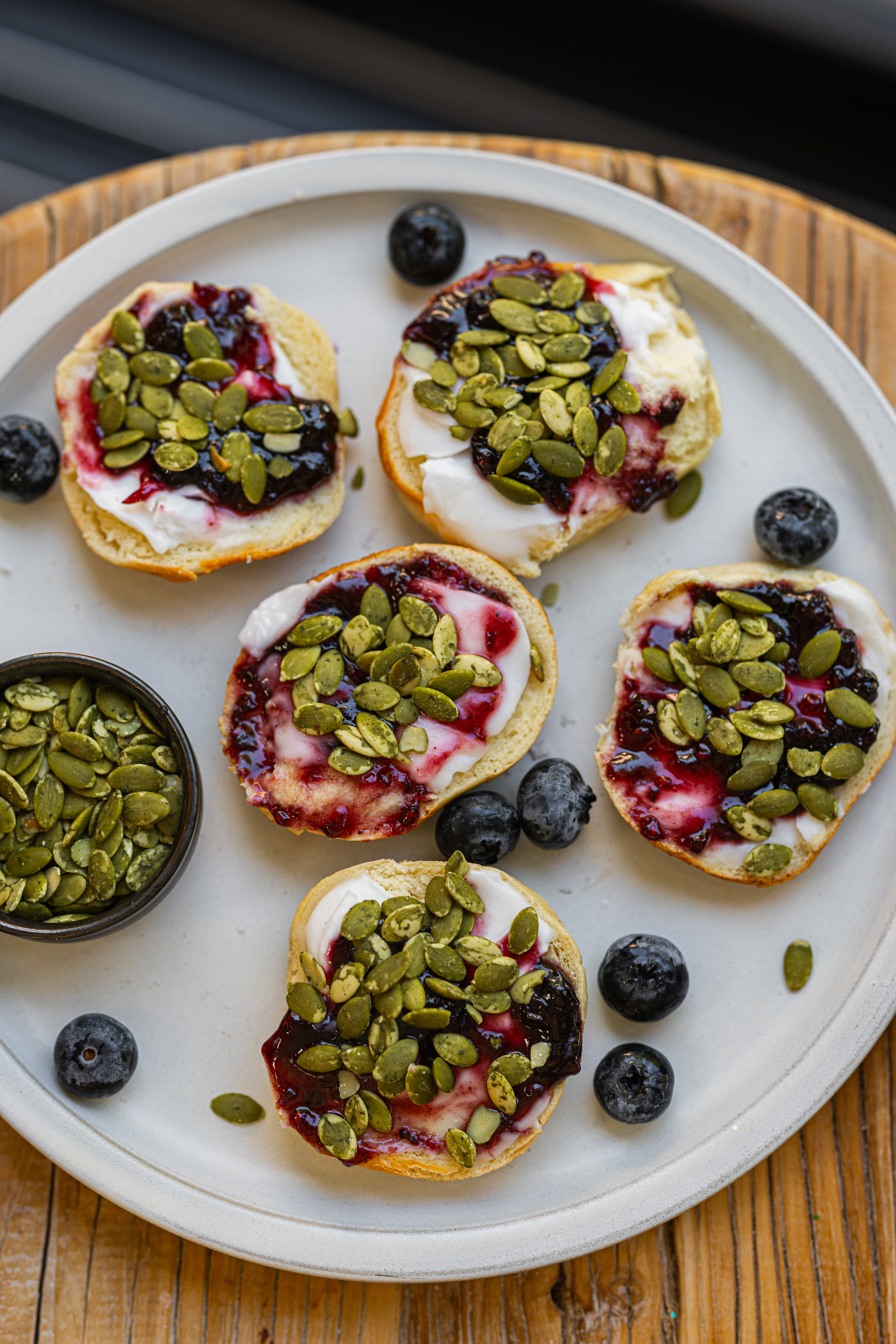
9. COMPOTE. Albergian Red Currant Compote
This gets its own mention because it’s a little different from my usual jam purchases.
I love finding Albergian Red Currant Compote here. That tart, bright fruit flavor reminds me of the preserves I’ve had at breakfast while traveling in northern Europe. It’s something I don’t come across nearly as often in my usual grocery shopping.
Try it on toast or spooned into plant-based yogurt. It’s a fun little change from the usual strawberry.
Beans, beans, beans.
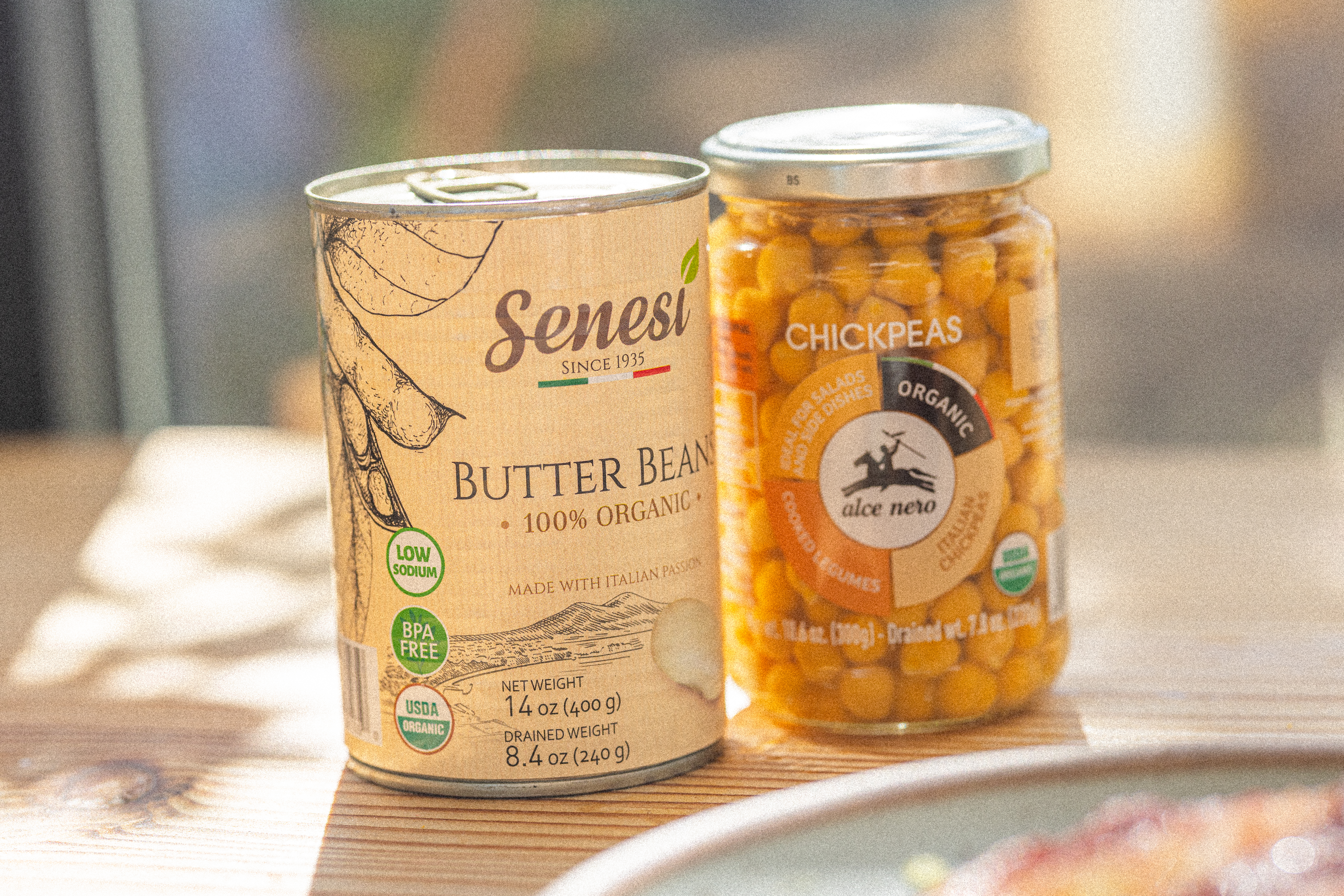
10. BEANS. Canned and jarred beans
Do not skip the beans.
I love being able to stock up on pasta, sauce, olive oil, and beans in one trip. The beans I buy here have been delicious, and they’re such a useful thing to have waiting in the pantry.
My easy dinner formula: pasta + sauce + beans + olive oil. Add some greens or vegetables and dinner is looking pretty good.
Beans give that bowl extra staying power, along with plant-based protein and fiber. Exactly the kind of everyday ingredient I want in my cart.
Well obviously... Chocolate.
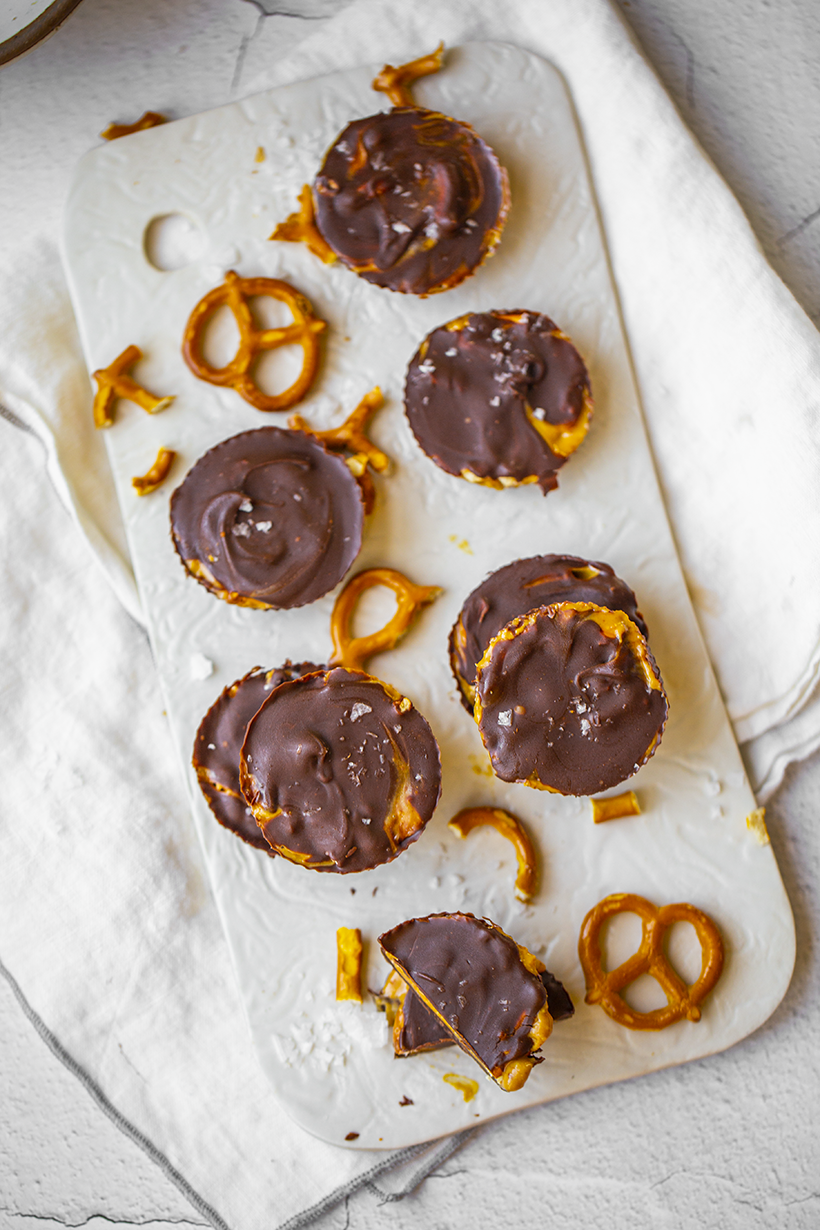
11. CHOCOLATE. Always some dark chocolate..
I look for vegan options and read the ingredients. Some bars are quite bitter; others are more my thing. Chocolate is personal. Try a few and find your favorite. There is one by Venchi with hazelnuts that is out of this world. Rich, creamy and balanced.
A few bonus stops
Something crunchy: BjornQorn popcorn, Italian potato chips, veggie chips - usually something from the snack section sneaks in.
Something fizzy: My daughter loves an orange soda we’ve found there, and I’ve also bought a really good ginger beer. I didn’t spot the ginger beer on my latest trip, but I’ll be looking again. Sometimes a fun drink belongs in the cart, too.
Housewares: Beautiful glasses, bowls, placemats, even silverware. I always take a look. Apparently I also need something cute to serve all this food in.
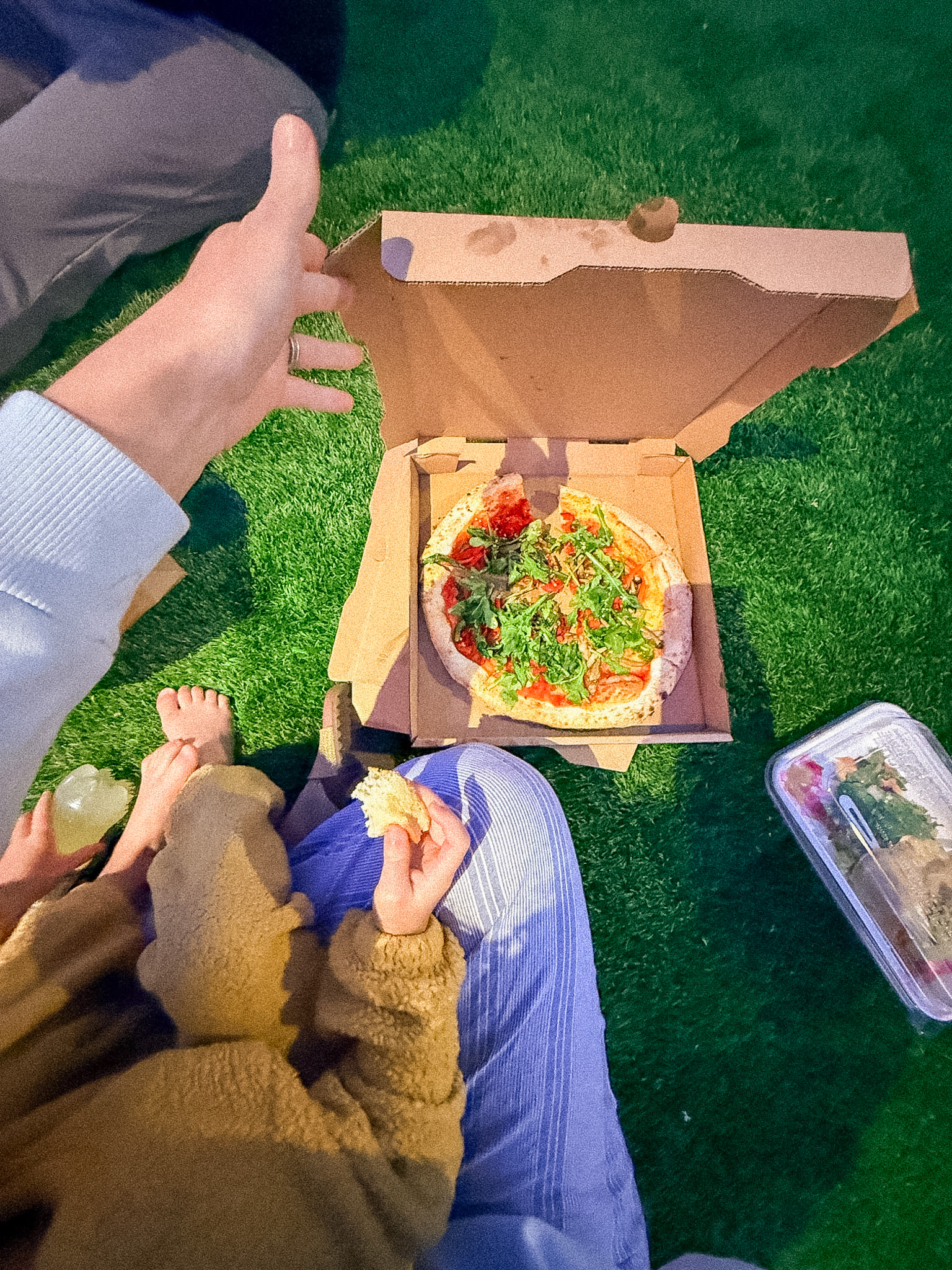
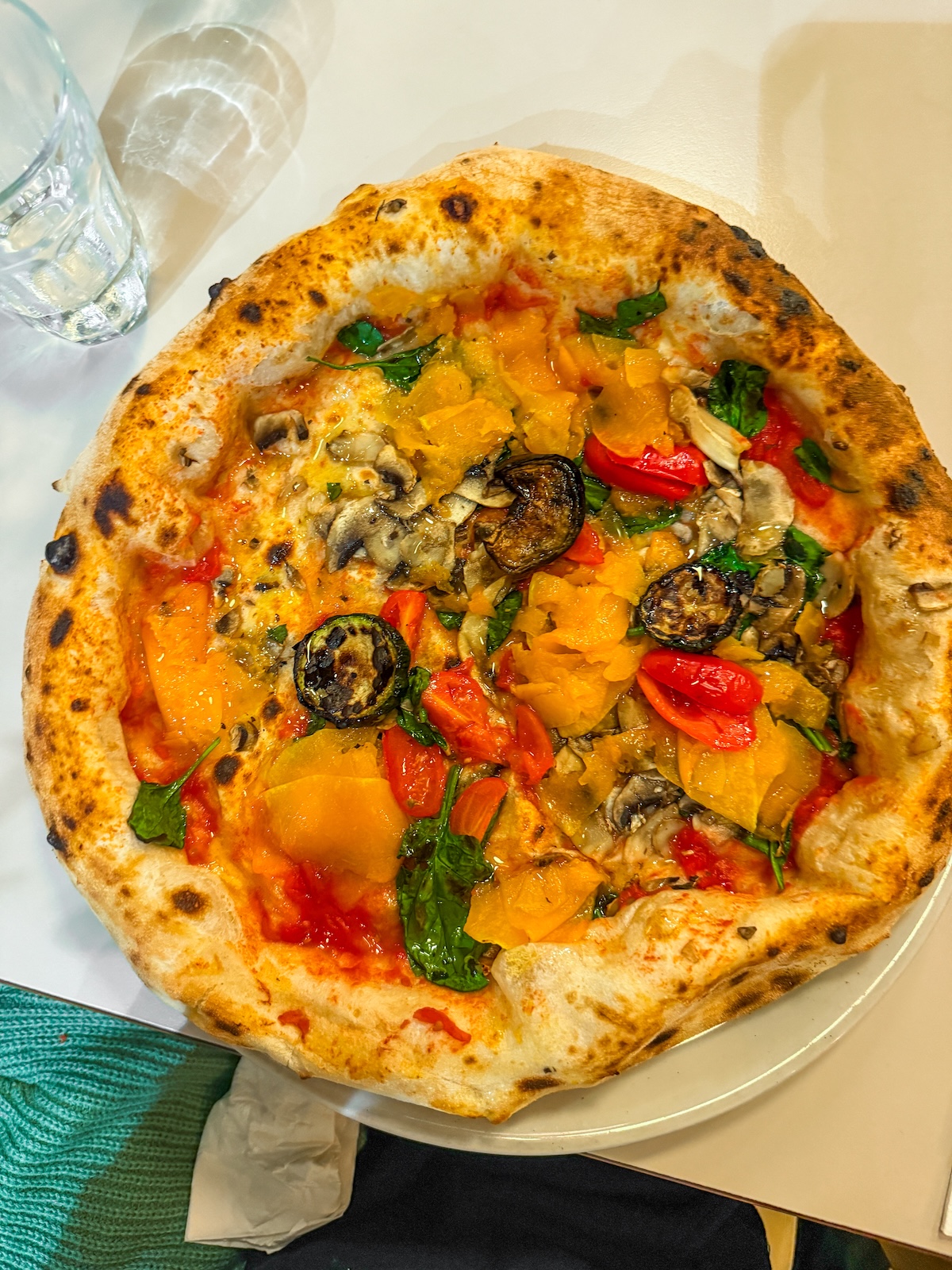
Pizza for right now: If I’m there around lunchtime, I look for the cheese-free tomato-and-olive pizza. Such a good shopping break.
For fellow vegan shoppers, check packaged ingredients and ask about the current bread, pizza, and prepared-food recipes.
Why I keep going back
I first fell for Eataly when we lived in New York and visited after it opened there. I remember the crowds, the food counters, and that feeling of wanting to taste and explore everything.
When it came to Los Angeles, I was so happy. I even went opening weekend and remember spotting famous chefs. It felt like a place full of people who were just as excited about food as I was.
I’m Italian, and Italy is one of my favorite places on the planet. Getting a little taste of it during a grocery run in Los Angeles is something I really appreciate.
One confession: I admire the produce more often than I buy it. On my visits, the weigh-it-yourself-and-print-a-sticker routine has been just enough of an extra step to make me keep walking. Eataly, make that part easier and I might finally complete my entire grocery list here.
Until then, you’ll find me with a cart full of focaccia, beans, pasta, and probably one more jar of jam.
Visit Eataly Los Angeles or shop Eataly online. Online and in-store selections can differ.
What’s the one thing you always buy at Eataly?